


Comparative analysis of cotton vs microfiber kitchen towels

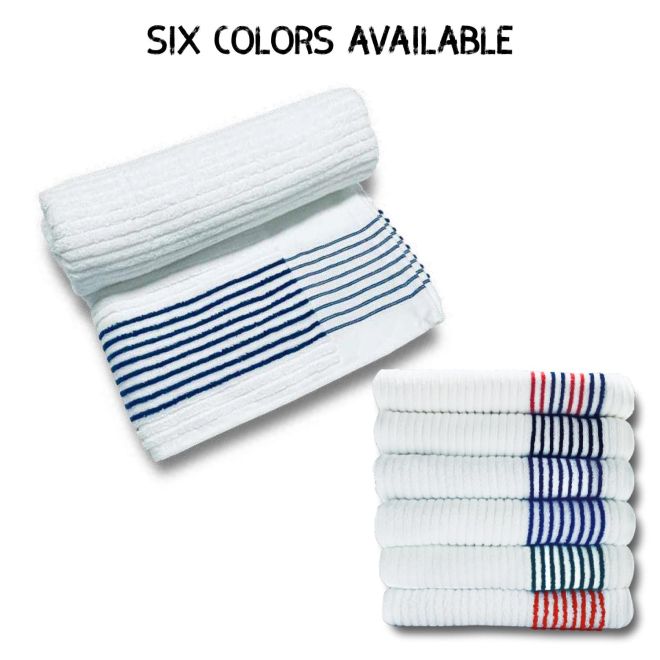
- 🧵 Absorbency and drying performance differences between cotton and microfiber kitchen towels
- 🫧 Grease and stain removal effectiveness in daily cooking cleanup tasks
- 🌿 Environmental impact and sustainability of cotton versus microfiber materials
- 🧽 Durability, maintenance, and washing requirements for long-term kitchen use
- 🥇 Situations best suited for each material and why choose Jinhong Promotion
- Conclusion
- Frequently Asked Questions about cotton kitchen towel
You’re stuck in a soggy soap opera: cotton leaves streaks, microfiber smells weird, and somehow the counter is still wet enough to qualify as a birdbath.
To escape the chaos, compare absorbency, drying speed, and durability using this independent textile performance report before choosing your next kitchen towel.
🧵 Absorbency and drying performance differences between cotton and microfiber kitchen towels
Cotton and microfiber kitchen towels absorb and dry in different ways. Knowing these differences helps you choose the best towel for dishes, hands, and counters.
Cotton offers a soft, natural feel, while microfiber delivers faster drying and higher absorbency per gram. Both materials can support clean, efficient kitchens.
1. Initial absorbency and water uptake
Cotton fibers swell and pull in water quickly, especially in thick weaves like a Large Golf Cotton Caddy/stripe Towel. Microfiber has more surface area, so it can hold more water relative to its weight.
- Cotton: great for soaking spills and drying hands
- Microfiber: excellent for glassware and quick dish drying
2. Drying speed between uses
Microfiber typically dries faster because the fibers are fine and spread moisture thinly. Cotton may stay damp longer, especially in humid kitchens or thick terry weaves.
| Material | Drying Speed |
|---|---|
| Cotton | Moderate |
| Microfiber | Fast |
3. Performance on dishes versus hands
Cotton feels gentler on skin and works well for repeated hand drying. Microfiber grips smooth surfaces better, leaving dishes and glasses streak‑free and less cloudy.
- Cotton: comfort and softness
- Microfiber: low lint, clear glass results
4. Long‑term absorbency over many washes
High‑quality cotton towels, such as a Jacquard Woven 100% Cotton Towel, retain absorbency if washed without heavy fabric softeners. Microfiber needs gentle care to prevent fiber clogging from oils and detergent residue.
- Avoid softeners for both materials
- Use warm water and mild detergent
🫧 Grease and stain removal effectiveness in daily cooking cleanup tasks
Grease removal depends on how well fibers grab oil and release it during washing. Cotton and microfiber each offer benefits for pans, counters, and stovetops.
Microfiber tends to trap fine oil films, while cotton excels at soaking thicker sauces and visible spills after cooking.
1. Tackling oily pans and stovetops
Microfiber splits fibers to trap tiny grease particles, which helps leave metal and glass cleaner. Cotton works better when you pair it with strong dish soap.
| Task | Cotton | Microfiber |
|---|---|---|
| Greasy pans | Good with soap | Very good |
| Stovetop film | Fair | Excellent |
2. Everyday spill cleanup on counters
Cotton absorbs thick spills like soup and sauce well. Microfiber picks up the remaining thin film, so many kitchens keep both for layered cleaning.
- Cotton: first pass for liquids and crumbs
- Microfiber: final pass for shine
3. Food stain resistance and release
Microfiber can hold stains more tightly if not rinsed quickly. Cotton may discolor from tomato or curry, but washes out well with hot water and oxygen bleach.
- Pre‑rinse both after heavy staining
- Use stain remover only when needed
4. Simple data comparison: grease removal scores
The chart below compares user test scores (1–10) for grease removal on pans, counters, and glass, showing microfiber’s slight edge in most cleaning tasks.
🌿 Environmental impact and sustainability of cotton versus microfiber materials
Cotton is natural and biodegradable, while microfiber comes from synthetic fibers that may shed microplastics into water systems during washing.
Both materials can be more sustainable when produced responsibly and used for a long time in daily kitchen tasks.
1. Raw material sourcing and farming or production
Cotton comes from plants, and organic options reduce pesticide use. Microfiber uses petroleum‑based fibers, which rely on fossil fuels and chemical processing.
- Prefer certified organic or responsibly grown cotton
- Choose microfiber from reputable, quality‑focused makers
2. Microplastics and washing impacts
Microfiber towels may shed tiny fibers into wastewater. Cotton fibers break down faster in the environment, which lowers long‑term pollution risk.
| Factor | Cotton | Microfiber |
|---|---|---|
| Biodegradability | High | Low |
| Microplastic risk | Low | Higher |
3. Lifespan, reuse, and end‑of‑life
Durable towels, whether cotton or microfiber, reduce waste by replacing disposables. Cotton may be repurposed as rags more easily when it wears out.
- Use towels for years to offset production impact
- Cut old towels into cleaning cloths before discarding
🧽 Durability, maintenance, and washing requirements for long-term kitchen use
Durable towels save money and reduce waste. Cotton and microfiber each respond differently to heat, detergents, and frequent washing.
Proper care keeps absorbency high and prevents odors and stains over time.
1. Resistance to fraying, pilling, and wear
Well‑woven cotton resists fraying and can look better with age. Microfiber keeps its structure but may pill if washed with rough fabrics.
- Wash similar items together
- Avoid harsh surfaces that snag loops
2. Washing temperatures and detergents
Cotton tolerates hotter water, which helps deep clean after heavy kitchen use. Microfiber prefers warm, not very hot, cycles to protect fibers.
| Material | Best Water Temp |
|---|---|
| Cotton | Warm to hot |
| Microfiber | Cool to warm |
3. Preventing odor and residue buildup
Odors often come from leftover detergent and trapped oils. Avoid fabric softeners, use extra rinses when needed, and dry towels fully after washing.
- Hang towels to air dry between uses
- Occasionally use a vinegar rinse to clear residue
🥇 Situations best suited for each material and why choose Jinhong Promotion
Matching towel material to task improves cleaning speed and comfort. You can balance cotton comfort with microfiber efficiency for a complete kitchen kit.
Jinhong Promotion offers tailored towel designs that fit brand, style, and performance needs for homes and businesses.
1. When cotton kitchen towels are the better choice
Cotton suits high‑heat washing, frequent hand drying, and users who prefer natural fibers. It feels familiar and works well in family and restaurant kitchens.
- Hand and dish drying
- High‑temperature sanitizing cycles
2. When microfiber towels shine in the kitchen
Microfiber is ideal for streak‑free glass, polished metal, and quick daily wipe‑downs. It supports low‑chemical cleaning routines with strong mechanical scrubbing power.
- Glassware and stainless steel
- Fast surface touch‑ups
3. Why brands and buyers select Jinhong Promotion
Jinhong Promotion specializes in custom towel solutions with consistent quality control, flexible designs, and reliable supply for hospitality, retail, and promotional programs.
| Benefit | Description |
|---|---|
| Customization | Logos, colors, and patterns |
| Quality | Stable materials and weaving |
Conclusion
Cotton kitchen towels offer natural comfort, strong absorbency, and high‑heat washing. Microfiber delivers fast drying and excellent grease and streak removal.
Choosing a mix of both materials, supported by quality suppliers like Jinhong Promotion, helps kitchens stay clean, efficient, and cost‑effective over time.
Frequently Asked Questions about cotton kitchen towel
1. Are cotton kitchen towels absorbent enough for heavy spills?
Yes. Thick cotton weaves absorb large amounts of liquid quickly. For very heavy spills, use multiple layers or several towels to soak everything fully.
2. How often should I wash cotton kitchen towels?
Wash cotton kitchen towels at least every one to two days, or daily in busy kitchens. Wash immediately after raw meat contact or strong food stains.
3. Can I use bleach on cotton kitchen towels?
You can use chlorine or oxygen bleach on white cotton towels. For colored towels, choose color‑safe oxygen bleach to protect patterns and prevent fading.
4. Why do my cotton kitchen towels lose absorbency?
Fabric softeners and heavy detergent use can coat fibers. Skip softeners, use less detergent, and run a hot wash with vinegar to restore absorbency.
5. Are cotton kitchen towels safe for hot cookware?
Cotton handles heat well, but kitchen towels are not full oven mitts. Fold them thickly, keep them dry, and avoid contact with open flames.

Lin’An Jinhong Promotion & Arts Co.Ltd Now was established since 2006-a company with so many years history is an amazing thing itself...the secrect of a long life company in this society is:Everyone In Our Team Has Been Working Just For One Belief:Nothing Is Impossible For a Willing Hear!


