
Golf Tees
Golf Tees Manufacturer-Jinhong Promotion is a trailblazer in the global golfing accessories market, renowned for its exceptional commitment to quality and innovation. Established in 2006 in the picturesque city of Hangzhou, China, Jinhong Promotion has cultivated a sterling reputation as a reliable partner for businesses seeking premium tees golf solutions. Driven by a team dedicated to the belief that "Nothing Is Impossible For a Willing Heart," the company consistently demonstrates its capability by offering unparalleled service, production, and innovation.
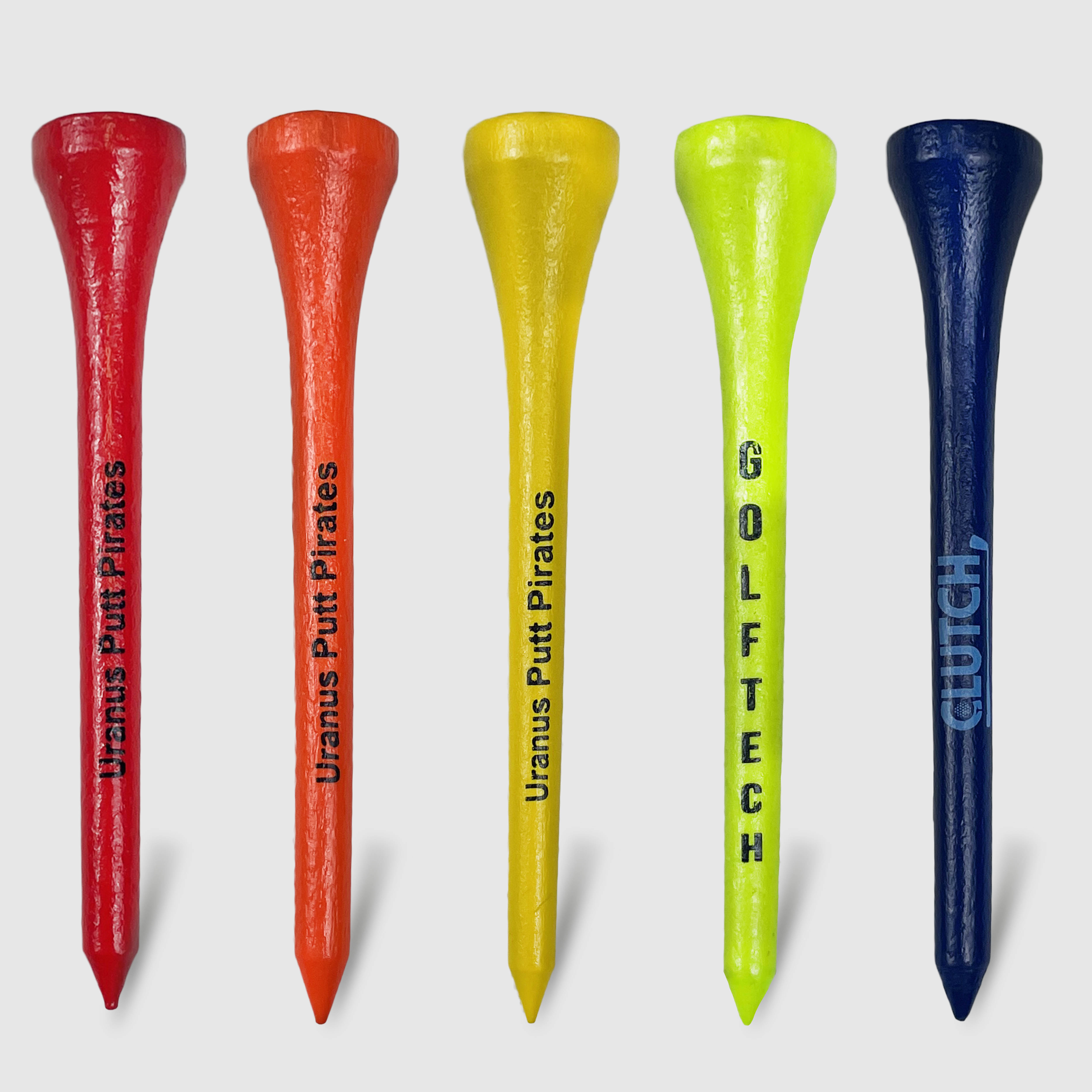
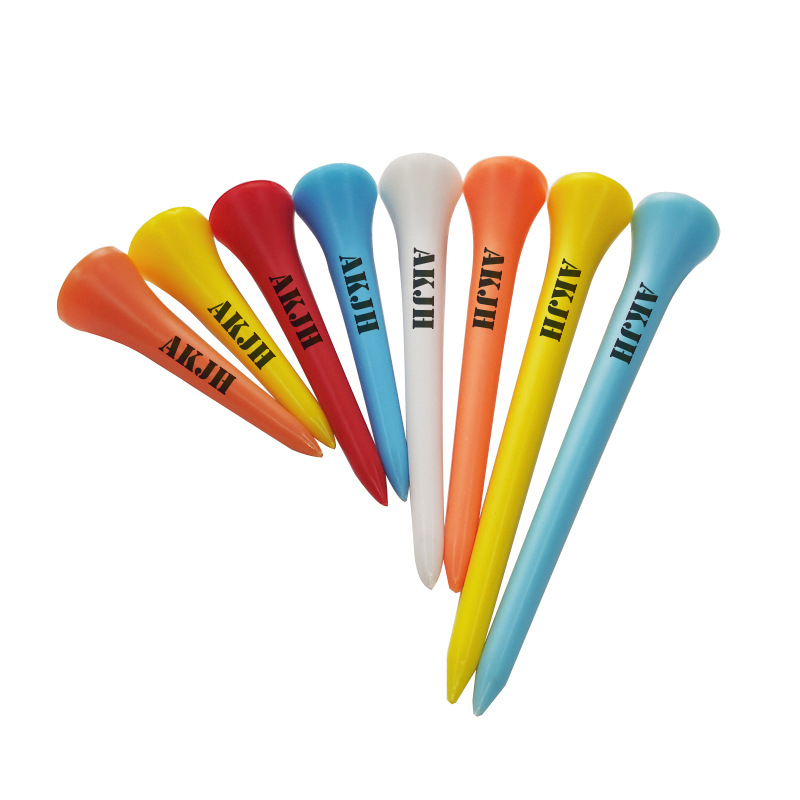
Specializing in custom golf tees, Jinhong Promotion seamlessly integrates customer logos and tailored specifications, ensuring a personalized experience that enhances brand visibility on the green. Their Professional Plastic White Wood Golf Tees exemplify their dedication to meeting diverse market needs, providing a comprehensive pricing model that facilitates pleasant online transactions.
Jinhong Promotion is not only focused on delivering outstanding products but also adheres to the highest environmental and quality standards. By utilizing eco-friendly materials and ensuring compliance with European dyeing standards, they guarantee that their offerings can withstand global testing requirements. With these commitments, Jinhong Promotion has earned the trust and friendship of clients worldwide, transforming business relationships into lasting partnerships. Experience the effortless ease of global sourcing with Jinhong Promotion, where every client's challenge in China becomes an opportunity for success.
Specializing in custom golf tees, Jinhong Promotion seamlessly integrates customer logos and tailored specifications, ensuring a personalized experience that enhances brand visibility on the green. Their Professional Plastic White Wood Golf Tees exemplify their dedication to meeting diverse market needs, providing a comprehensive pricing model that facilitates pleasant online transactions.
Jinhong Promotion is not only focused on delivering outstanding products but also adheres to the highest environmental and quality standards. By utilizing eco-friendly materials and ensuring compliance with European dyeing standards, they guarantee that their offerings can withstand global testing requirements. With these commitments, Jinhong Promotion has earned the trust and friendship of clients worldwide, transforming business relationships into lasting partnerships. Experience the effortless ease of global sourcing with Jinhong Promotion, where every client's challenge in China becomes an opportunity for success.
Golf tee
The Frequent FAQs of Golf tee
Do golf tees make a difference?▾
Golf enthusiasts and professionals alike have long debated whether the humble golf tee significantly impacts performance. At first glance, a small peg may seem inconsequential in the grand scheme of the sport, but its influence on the game can be profound.
At its core, the golf tee serves as an essential tool that elevates the ball, giving players the optimal position to strike. This slight elevation can affect the initial trajectory and spin of the golf ball, which in turn influences distance and accuracy. For professional players seeking every possible advantage, the right tee can be the difference between a straight shot and a wayward one. The consistency that a well-chosen tee provides ensures that each drive begins with a controlled environment, minimizing variables and allowing players to execute their swings with confidence.
Over the years, golf tees have evolved from the traditional wooden models to modern alternatives made from plastic, bamboo, and other materials. Each variant comes with its own set of benefits. Wooden tees, often lauded for their eco-friendliness and classic feel, offer a sturdy foundation. However, they can break more easily compared to their plastic counterparts, which provide durability and flexibility. Bamboo tees, a recent innovation, combine the best of both worlds, offering strength and sustainability.
The design of a tee can also play a critical role in performance. Some modern tees feature innovative shapes that reduce friction between the tee and the ball, contributing to greater distance and control. Additionally, adjustable tees allow golfers to customize the height of their setup, which can be particularly beneficial in adapting to varying course conditions or personal preferences.
Customization in golf tees has become increasingly popular, allowing golfers to tailor their equipment to suit their specific needs. Custom golf tees can be designed to incorporate players’ preferences concerning material, height, and even color, ensuring that each tee feels right for individual golfers. Beyond functional advantages, customized tees foster a sense of identity and style, reflecting the uniqueness of the player using them.
In a sport where precision and consistency are paramount, the psychological comfort provided by customized equipment should not be underestimated. Knowing that their gear is tailored to their needs, players often experience increased confidence during their swings, which can translate into improved performance on the course.
While golf tees may seem like a minor aspect of the game, their impact is undeniable. From material choices to innovative designs and customization possibilities, the right tee can significantly affect the outcome of a game. By offering better control, distance, and a personalized playing experience, golf tees prove to be more than just a simple accessory. For golfers aiming to enhance their game, exploring the benefits of various golf tees is a wise consideration that could lead to tangible improvements on the course. In the world of golf, every little detail counts, and elevating one’s game might just start with choosing the right tee.
The Role of the Golf Tee
At its core, the golf tee serves as an essential tool that elevates the ball, giving players the optimal position to strike. This slight elevation can affect the initial trajectory and spin of the golf ball, which in turn influences distance and accuracy. For professional players seeking every possible advantage, the right tee can be the difference between a straight shot and a wayward one. The consistency that a well-chosen tee provides ensures that each drive begins with a controlled environment, minimizing variables and allowing players to execute their swings with confidence.
Material and Design Innovations
Over the years, golf tees have evolved from the traditional wooden models to modern alternatives made from plastic, bamboo, and other materials. Each variant comes with its own set of benefits. Wooden tees, often lauded for their eco-friendliness and classic feel, offer a sturdy foundation. However, they can break more easily compared to their plastic counterparts, which provide durability and flexibility. Bamboo tees, a recent innovation, combine the best of both worlds, offering strength and sustainability.
The design of a tee can also play a critical role in performance. Some modern tees feature innovative shapes that reduce friction between the tee and the ball, contributing to greater distance and control. Additionally, adjustable tees allow golfers to customize the height of their setup, which can be particularly beneficial in adapting to varying course conditions or personal preferences.
The Impact of Customized Golf Tees
Customization in golf tees has become increasingly popular, allowing golfers to tailor their equipment to suit their specific needs. Custom golf tees can be designed to incorporate players’ preferences concerning material, height, and even color, ensuring that each tee feels right for individual golfers. Beyond functional advantages, customized tees foster a sense of identity and style, reflecting the uniqueness of the player using them.
In a sport where precision and consistency are paramount, the psychological comfort provided by customized equipment should not be underestimated. Knowing that their gear is tailored to their needs, players often experience increased confidence during their swings, which can translate into improved performance on the course.
Conclusion
While golf tees may seem like a minor aspect of the game, their impact is undeniable. From material choices to innovative designs and customization possibilities, the right tee can significantly affect the outcome of a game. By offering better control, distance, and a personalized playing experience, golf tees prove to be more than just a simple accessory. For golfers aiming to enhance their game, exploring the benefits of various golf tees is a wise consideration that could lead to tangible improvements on the course. In the world of golf, every little detail counts, and elevating one’s game might just start with choosing the right tee.
What are the tees called in golf?▾
Golf is a sport steeped in tradition and nuanced with terms that may seem perplexing to newcomers. One such term involves the various "tees" on a golf course. Understanding what these tees are called and their significance not only enhances your appreciation of the game but also aids in improving your playing strategy.
At nearly every golf course, you will encounter multiple sets of tees, each signifying different levels of difficulty and player abilities. The tees are generally marked with colored indicators and placed at the teeing grounds, the starting points for every hole. These colors are more than just aesthetic choices; they represent the yardage and challenge each tee presents.
Often referred to as the back tees, these are typically the longest and most challenging on the course. They cater to low-handicap golfers who possess both skill and power. Players using these tees are generally those who can manage greater yardages with accuracy, often emulating the professional players seen on major tours.
Also known as regular or men's tees, these are designed for mid to high-handicap males, as well as low-handicap or long-hitting females and senior players. The middle tees provide a balanced challenge, offering a median between the championship and forward tees in terms of distance and difficulty.
Forward tees, sometimes referred to as ladies' tees, accommodate newer players or those with higher handicaps. These tees are positioned closer to the hole, offering a shorter yardage. Despite the traditional naming, forward tees are by no means restricted to women; they are suitable for any golfer seeking a less daunting approach to the game or aiming to improve their pace of play.
Selecting the appropriate set of tees is crucial for maximizing enjoyment and efficiency on the course. A common mistake among amateur golfers is opting for tees that exceed their capabilities. Not only does this hinder their performance, but it also slows down the pace of play for everyone on the course. For those uncertain about which tees to use, a general guideline is to play from a set that allows you to reach the par-3s comfortably in one shot and the par-4s in two shots.
One practical method for choosing your tees is calculating based on your average club distance. For instance, by estimating the yardage you can achieve with your 5-iron, you can select tees that match your hitting range more closely, ensuring a more manageable and enjoyable golfing experience.
Golf tees manufacturers play a significant role in standardizing these tee systems across golf courses worldwide. By producing markers that clearly denote the yardages associated with each set of tees, these companies contribute to a seamless and consistent golfing experience. Their expertise ensures that golfers of all levels have the opportunity to select the right tees that suit their skills and preferences, thereby enhancing the overall quality of the game.
Ultimately, understanding what the tees are called in golf and their respective roles on the course is integral to refining your game and boosting your confidence. By selecting the right tees, you can enjoy a more tailored experience that aligns with your skills and aspirations in golf.
Understanding Golf Tees
At nearly every golf course, you will encounter multiple sets of tees, each signifying different levels of difficulty and player abilities. The tees are generally marked with colored indicators and placed at the teeing grounds, the starting points for every hole. These colors are more than just aesthetic choices; they represent the yardage and challenge each tee presents.
Championship Tees
Often referred to as the back tees, these are typically the longest and most challenging on the course. They cater to low-handicap golfers who possess both skill and power. Players using these tees are generally those who can manage greater yardages with accuracy, often emulating the professional players seen on major tours.
Middle Tees
Also known as regular or men's tees, these are designed for mid to high-handicap males, as well as low-handicap or long-hitting females and senior players. The middle tees provide a balanced challenge, offering a median between the championship and forward tees in terms of distance and difficulty.
The Role of Forward Tees
Forward tees, sometimes referred to as ladies' tees, accommodate newer players or those with higher handicaps. These tees are positioned closer to the hole, offering a shorter yardage. Despite the traditional naming, forward tees are by no means restricted to women; they are suitable for any golfer seeking a less daunting approach to the game or aiming to improve their pace of play.
Choosing the Right Tee for Your Game
Selecting the appropriate set of tees is crucial for maximizing enjoyment and efficiency on the course. A common mistake among amateur golfers is opting for tees that exceed their capabilities. Not only does this hinder their performance, but it also slows down the pace of play for everyone on the course. For those uncertain about which tees to use, a general guideline is to play from a set that allows you to reach the par-3s comfortably in one shot and the par-4s in two shots.
Using Yardage and Average Distance
One practical method for choosing your tees is calculating based on your average club distance. For instance, by estimating the yardage you can achieve with your 5-iron, you can select tees that match your hitting range more closely, ensuring a more manageable and enjoyable golfing experience.
The Influence of Golf Tee Manufacturers
Golf tees manufacturers play a significant role in standardizing these tee systems across golf courses worldwide. By producing markers that clearly denote the yardages associated with each set of tees, these companies contribute to a seamless and consistent golfing experience. Their expertise ensures that golfers of all levels have the opportunity to select the right tees that suit their skills and preferences, thereby enhancing the overall quality of the game.
Ultimately, understanding what the tees are called in golf and their respective roles on the course is integral to refining your game and boosting your confidence. By selecting the right tees, you can enjoy a more tailored experience that aligns with your skills and aspirations in golf.
Why are they called golf tees?▾
The term "golf tee" has a rich historical background that traces its roots back to the early days of the sport, reflecting both linguistic influences and practical developments in golfing. To fully understand why they are called golf tees, one must delve into the evolution of the game and the linguistic connections that paved the way for the term.
The concept of the golf tee dates back to the 19th century, a period when golfers crafted makeshift tees from sand within a designated area. This initial "teeing" process involved forming a small pile of sand on the ground to elevate the golf ball for the opening stroke of a hole. In the early rules of golf established in 1744, it was stipulated that the "tee must be upon the ground," indicating the necessity for golfers to use the natural resources at hand, such as sand, to create their tees.
Interestingly, the term "tee" may have been influenced by linguistic roots, particularly from Dutch and Gaelic languages. The Dutch word "tuitje," meaning a little conical shape, bears a phonetic resemblance to "tee" and aligns with the function of these early sand formations. Similarly, the Gaelic term "tigh," used in curling to refer to the target area, hints at a circular or central target, much like the initial area where golfers placed their tees.
The evolution from sand tees to modern golf tees reflects the ingenuity and practicality of the sport's enthusiasts over time. As the game gained popularity, there was a notable shift towards creating reusable tees, giving rise to various materials and designs aimed at improving the teeing experience. The first patented portable golf tees appeared in the late 19th century, marking a significant advancement from the traditional sand piles.
By the early 20th century, innovations led to the development of modern tees that closely resemble those used today. These were designed not only to elevate the ball but also to penetrate the ground, ensuring stability and consistency in play. The introduction of these tees, initially crafted from materials like wood and rubber, set the foundation for the standardized golf tees widely used in contemporary golf.
In today's golfing world, custom golf tees have become a notable extension of personal and promotional expression within the sport. Offering the same functional advantages, these personalized tees allow golfers to add a touch of individuality to their game. Whether engraved with a name, logo, or unique design, custom golf tees serve as a blend of tradition and modern personal branding. They maintain the same essential purpose: to provide a consistent, reliable platform for every golfer's initial shot, while also offering a distinctive element that distinguishes one golfer from another.
In conclusion, the term "golf tee" is a testament to the sport's storied history and the progressive innovations that have shaped its development. From the humble piles of sand to today's custom creations, golf tees have played an integral role in the game, symbolizing both the cultural heritage and the forward-thinking spirit that continue to define golf. This evolution from practical beginnings to personalized essentials underscores the enduring influence and adaptability of the sport's components.
Historical Origins of the Golf Tee
The concept of the golf tee dates back to the 19th century, a period when golfers crafted makeshift tees from sand within a designated area. This initial "teeing" process involved forming a small pile of sand on the ground to elevate the golf ball for the opening stroke of a hole. In the early rules of golf established in 1744, it was stipulated that the "tee must be upon the ground," indicating the necessity for golfers to use the natural resources at hand, such as sand, to create their tees.
Interestingly, the term "tee" may have been influenced by linguistic roots, particularly from Dutch and Gaelic languages. The Dutch word "tuitje," meaning a little conical shape, bears a phonetic resemblance to "tee" and aligns with the function of these early sand formations. Similarly, the Gaelic term "tigh," used in curling to refer to the target area, hints at a circular or central target, much like the initial area where golfers placed their tees.
Development of the Modern Golf Tee
The evolution from sand tees to modern golf tees reflects the ingenuity and practicality of the sport's enthusiasts over time. As the game gained popularity, there was a notable shift towards creating reusable tees, giving rise to various materials and designs aimed at improving the teeing experience. The first patented portable golf tees appeared in the late 19th century, marking a significant advancement from the traditional sand piles.
By the early 20th century, innovations led to the development of modern tees that closely resemble those used today. These were designed not only to elevate the ball but also to penetrate the ground, ensuring stability and consistency in play. The introduction of these tees, initially crafted from materials like wood and rubber, set the foundation for the standardized golf tees widely used in contemporary golf.
Significance of Custom Golf Tees
In today's golfing world, custom golf tees have become a notable extension of personal and promotional expression within the sport. Offering the same functional advantages, these personalized tees allow golfers to add a touch of individuality to their game. Whether engraved with a name, logo, or unique design, custom golf tees serve as a blend of tradition and modern personal branding. They maintain the same essential purpose: to provide a consistent, reliable platform for every golfer's initial shot, while also offering a distinctive element that distinguishes one golfer from another.
In conclusion, the term "golf tee" is a testament to the sport's storied history and the progressive innovations that have shaped its development. From the humble piles of sand to today's custom creations, golf tees have played an integral role in the game, symbolizing both the cultural heritage and the forward-thinking spirit that continue to define golf. This evolution from practical beginnings to personalized essentials underscores the enduring influence and adaptability of the sport's components.
Are wood tees better than plastic?▾
When it comes to the debate on whether wood tees are better than plastic tees in golf, numerous factors deserve consideration. Each option presents its own benefits and drawbacks, making personal preference and specific needs paramount in the selection process. Below, we delve into the characteristics of both wood and plastic tees, assessing their environmental impact, durability, performance, and cost-effectiveness.
Wood tees are often praised for their environmental friendliness. Made from biodegradable materials, they break down naturally, minimizing their ecological footprint. This attribute is particularly attractive to environmentally conscious golfers who prefer sustainable products. Conversely, plastic tees, made from petroleum-based materials, do not decompose as readily, which can contribute to environmental concerns. However, it is worth noting that plastic tees are reusable and, when not lost or broken, can be used for extended periods, lessening their overall environmental impact compared to single-use wood tees.
The durability of tees is a significant consideration for many golfers. Plastic tees have gained popularity due to their resilience, often enduring multiple rounds of golf without breaking. This durability means fewer replacements are needed over time, potentially reducing waste and frequent purchasing needs. On the other hand, wood tees, while less durable, provide a traditional feel and are often favored by purists for their classic aesthetics and natural composition. The likelihood of a wood tee breaking after a few hits is higher, requiring golfers to carry more replacements.
Performance on the golf course is a crucial criterion for choosing between wood and plastic tees. Many golfers argue that wood tees offer a more authentic connection with the game, providing a solid foundation that some believe enhances shot consistency and control. The tactile feedback from hitting a ball off a wood tee is often preferred for its traditional golfing experience. Conversely, plastic tees come in various designs aimed at improving performance, such as reducing side spin or providing low-resistance contact, which can be advantageous in achieving longer drives or more precise shots.
Cost plays a role in the selection of golf tees for many players. Wood tees are typically less expensive upfront, making them an attractive choice for golfers who do not mind replacing them more frequently. They are often available in bulk, providing an economical solution for casual or frequent players. In contrast, plastic tees, while initially more expensive, can prove more cost-effective over time due to their longevity and reusability. For players who prioritize long-term savings and durability, investing in a set of high-quality plastic tees may be the preferable option.
Ultimately, the choice between wood and plastic tees is subjective and largely dependent on individual preferences and priorities. Those who value tradition and sustainability may lean towards wood tees, appreciating their natural feel and minimal environmental impact. Meanwhile, golfers seeking durability, innovative design features, and long-term cost savings might prefer the reliability of plastic tees. Each type of tee offers unique advantages that cater to different aspects of the golfing experience, ensuring that players can find an option that best suits their style and values.
Environmental Impact
Wood tees are often praised for their environmental friendliness. Made from biodegradable materials, they break down naturally, minimizing their ecological footprint. This attribute is particularly attractive to environmentally conscious golfers who prefer sustainable products. Conversely, plastic tees, made from petroleum-based materials, do not decompose as readily, which can contribute to environmental concerns. However, it is worth noting that plastic tees are reusable and, when not lost or broken, can be used for extended periods, lessening their overall environmental impact compared to single-use wood tees.
Durability and Longevity
The durability of tees is a significant consideration for many golfers. Plastic tees have gained popularity due to their resilience, often enduring multiple rounds of golf without breaking. This durability means fewer replacements are needed over time, potentially reducing waste and frequent purchasing needs. On the other hand, wood tees, while less durable, provide a traditional feel and are often favored by purists for their classic aesthetics and natural composition. The likelihood of a wood tee breaking after a few hits is higher, requiring golfers to carry more replacements.
Performance and Functionality
Performance on the golf course is a crucial criterion for choosing between wood and plastic tees. Many golfers argue that wood tees offer a more authentic connection with the game, providing a solid foundation that some believe enhances shot consistency and control. The tactile feedback from hitting a ball off a wood tee is often preferred for its traditional golfing experience. Conversely, plastic tees come in various designs aimed at improving performance, such as reducing side spin or providing low-resistance contact, which can be advantageous in achieving longer drives or more precise shots.
Cost-Effectiveness
Cost plays a role in the selection of golf tees for many players. Wood tees are typically less expensive upfront, making them an attractive choice for golfers who do not mind replacing them more frequently. They are often available in bulk, providing an economical solution for casual or frequent players. In contrast, plastic tees, while initially more expensive, can prove more cost-effective over time due to their longevity and reusability. For players who prioritize long-term savings and durability, investing in a set of high-quality plastic tees may be the preferable option.
Conclusion
Ultimately, the choice between wood and plastic tees is subjective and largely dependent on individual preferences and priorities. Those who value tradition and sustainability may lean towards wood tees, appreciating their natural feel and minimal environmental impact. Meanwhile, golfers seeking durability, innovative design features, and long-term cost savings might prefer the reliability of plastic tees. Each type of tee offers unique advantages that cater to different aspects of the golfing experience, ensuring that players can find an option that best suits their style and values.
Which color tees are in golf?▾
Golf is a sport that resonates with tradition and style, and one of its simple yet significant traditions is the use of different colored tees. These colored tees serve as markers of distance and difficulty, guiding players to appropriate starting points based on skill level and competition requirements. Understanding the nuances of these tees not only enhances the golfing experience but also aligns players with the sport's etiquette and rules.
The color-coded tee system in golf courses worldwide serves an essential function. Each color represents a different playing length and level of challenge, catering to the diverse abilities of golfers. The traditional colors, which include white, yellow, and red, are prevalent across courses and are integral to how rounds are structured and played.
White tees are commonly known as the competition tees. Positioned furthest from the hole, they are typically reserved for professional and advanced amateur play. This positioning ensures that the game demands not only precision but also power, testing the utmost skill and resilience of players. The white tees challenge golfers to execute longer shots while maintaining accuracy, a true test of one's golfing mettle.
Yellow tees represent the standard for male golfers, striking a balance between difficulty and playability. Positioned closer than the white tees, they offer a manageable challenge for most male players, helping maintain the flow of the game while still demanding strategic shot-making. The yellow tees are ideal for club competitions and casual rounds where the fun is balanced with a fair degree of challenge.
Designed with inclusivity in mind, the red tees cater primarily to female golfers. Situated closest to the hole among the traditional tee colors, they offer a more forgiving distance, allowing women to enjoy the game to its fullest without being overburdened by excessive length. This placement ensures that the game is accessible and enjoyable, empowering women to engage and excel in golf.
While traditional tees have long dictated the golfing landscape, courses are increasingly adopting new colors and options to meet the evolving needs of players. Notably, blue tees are gaining popularity, catering to juniors and veterans. These tees are positioned even closer than the red, providing an opportunity for children and older players to engage with the game in a manner suited to their capabilities.
Beyond the fixed markers on the course, golfers now have the option of using custom golf tees, which add a personalized touch to the game. These tees, which can vary in color, material, and design, allow players to bring a piece of their personality to the course. Custom tees are not only a statement of style but also a nod to innovation within the sport, maintaining the balance between tradition and modernity.
Golf, with its blend of tradition and adaptability, continues to thrive as a beloved sport globally. The color-coded tee system exemplifies this duality, offering structured play while welcoming customization. Through understanding and optimizing the use of these tees, players of all levels can find their place in the game, ensuring that golf remains inclusive, engaging, and ever-evolving.
● The Significance of Tee Colors
The color-coded tee system in golf courses worldwide serves an essential function. Each color represents a different playing length and level of challenge, catering to the diverse abilities of golfers. The traditional colors, which include white, yellow, and red, are prevalent across courses and are integral to how rounds are structured and played.
●White Tees: The Competitive Edge
White tees are commonly known as the competition tees. Positioned furthest from the hole, they are typically reserved for professional and advanced amateur play. This positioning ensures that the game demands not only precision but also power, testing the utmost skill and resilience of players. The white tees challenge golfers to execute longer shots while maintaining accuracy, a true test of one's golfing mettle.
●Yellow Tees: The Standard for Men
Yellow tees represent the standard for male golfers, striking a balance between difficulty and playability. Positioned closer than the white tees, they offer a manageable challenge for most male players, helping maintain the flow of the game while still demanding strategic shot-making. The yellow tees are ideal for club competitions and casual rounds where the fun is balanced with a fair degree of challenge.
●Red Tees: Empowering Women
Designed with inclusivity in mind, the red tees cater primarily to female golfers. Situated closest to the hole among the traditional tee colors, they offer a more forgiving distance, allowing women to enjoy the game to its fullest without being overburdened by excessive length. This placement ensures that the game is accessible and enjoyable, empowering women to engage and excel in golf.
● Emerging Trends and Innovations
While traditional tees have long dictated the golfing landscape, courses are increasingly adopting new colors and options to meet the evolving needs of players. Notably, blue tees are gaining popularity, catering to juniors and veterans. These tees are positioned even closer than the red, providing an opportunity for children and older players to engage with the game in a manner suited to their capabilities.
●Custom Golf Tees: Personalizing the Experience
Beyond the fixed markers on the course, golfers now have the option of using custom golf tees, which add a personalized touch to the game. These tees, which can vary in color, material, and design, allow players to bring a piece of their personality to the course. Custom tees are not only a statement of style but also a nod to innovation within the sport, maintaining the balance between tradition and modernity.
Golf, with its blend of tradition and adaptability, continues to thrive as a beloved sport globally. The color-coded tee system exemplifies this duality, offering structured play while welcoming customization. Through understanding and optimizing the use of these tees, players of all levels can find their place in the game, ensuring that golf remains inclusive, engaging, and ever-evolving.