


How to Source Reliable Cotton Tea Towel Suppliers Overseas

- 🧵 Understanding Fabric Quality Standards for Cotton Tea Towels Overseas
- 🌍 Evaluating Supplier Credibility and Compliance Certifications in Global Markets
- 📦 Managing Production Lead Times and Shipment Coordination with Overseas Factories
- 🤝 Building Long-Term Partnerships with Reliable Manufacturers like Jinhong Promotion
- 🔍 Key Questions to Ask Overseas Suppliers Before Finalizing Tea Towel Orders
- Conclusion
- Frequently Asked Questions about cotton tea towel
Tired of cotton tea towels that shed like a cat and fade faster than your willpower on laundry day? Finding a reliable overseas supplier can feel like online dating with mystery factories.
This guide shows you simple steps to vet manufacturers, check certifications, and compare prices using trusted data, including standards in the ISO sustainable textiles report.
🧵 Understanding Fabric Quality Standards for Cotton Tea Towels Overseas
Cotton tea towels must balance absorbency, durability, and colorfastness. When sourcing overseas, clear fabric standards help avoid quality issues and protect your brand image.
Define exact yarn count, GSM, weave, and shrinkage rates in your tech pack so factories can match your expectations on every production run.
1. Selecting the Right Cotton Fiber and Yarn Count
Choose combed or ring-spun cotton for smoother, stronger tea towels. Clarify yarn count, staple length, and pilling resistance to keep surfaces lint-free and absorbent.
- Ring-spun: softer hand feel
- Carded: budget-friendly option
- Long-staple: higher strength and less fraying
2. Weave Type, GSM, and Absorbency
Plain, herringbone, or jacquard weaves affect weight and drying time. Request lab tests for GSM, absorbency speed, and water retention before confirming large orders.
- Low GSM (180–220): quick drying
- Mid GSM (220–260): balance of weight and softness
- High GSM (260+): premium, heavy feel
3. Colorfastness, Shrinkage, and Printing Quality
Ask suppliers to test washing fastness, rubbing fastness, and shrinkage. Review print sharpness on samples, especially for detailed logos or full-color designs.
| Test | Target |
|---|---|
| Shrinkage | ≤ 5% after wash |
| Colorfastness | Grade 4 or above |
4. Comparing Product Types for Different Use Cases
Align tea towel specs with end use. Heavy-duty kitchen towels differ from promotional golf or bar towels in weave, size, and finish.
- Kitchen use: high absorbency, lint-free
- Promotional: strong print area and color
- Sports/bar: quick-dry and durable loop
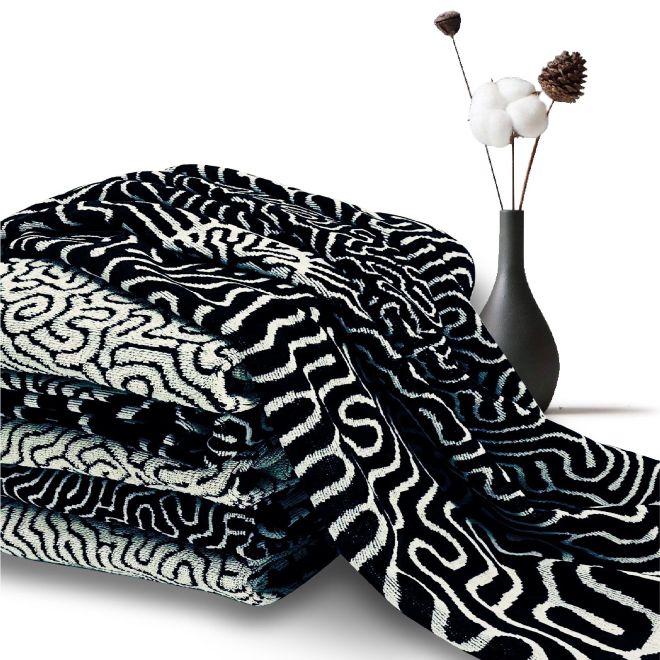
For reference, review related styles like Large Golf Cotton Caddy/stripe Towel and Jacquard Woven 100% Cotton Towel.
🌍 Evaluating Supplier Credibility and Compliance Certifications in Global Markets
Reliable cotton tea towel suppliers should prove ethical sourcing, stable quality, and legal compliance. Check documents, audits, and third-party test reports before placing bulk orders.
Cross-verify claims through online databases, buyer reviews, and factory visits, or hire an independent inspection agency for higher-risk markets or complex designs.
1. Verifying Business Legitimacy and Export Experience
Confirm the supplier’s business license, tax registration, and export records. Experienced exporters usually have clear order processes and stronger quality control systems.
- Ask for client references
- Check years in export business
- Review main export markets
2. Key Certifications for Cotton Tea Towel Suppliers
Focus on standards that matter to your buyers, such as BSCI, Sedex, ISO 9001, OEKO‑TEX, and GOTS for organic cotton or sustainable production.
| Certification | Main Focus |
|---|---|
| OEKO-TEX | Safe chemicals and dyes |
| BSCI/Sedex | Social compliance |
| ISO 9001 | Quality management |
3. Using Data and Ratings to Compare Suppliers
Track lead time reliability, defect rates, and on-time shipping. Use a simple scoring model to select the most stable partners for repeat tea towel orders.
4. Factory Audits and Third‑Party Inspections
Arrange a factory audit or video tour to view production lines and worker conditions. Use pre‑shipment inspections to reduce risks on first or high‑value orders.
- Initial production check
- During production inspection
- Final random inspection
📦 Managing Production Lead Times and Shipment Coordination with Overseas Factories
Structured planning keeps cotton tea towel orders on schedule. Clarify timelines from sampling to shipment and build buffers for holidays or transport delays.
Share forecasts, lock key dates, and confirm shipping documents early to avoid costly last‑minute changes or port storage charges.
1. Planning the Full Production Timeline
Work backward from your launch date. Include sampling, lab testing, bulk fabric booking, weaving, stitching, packing, and final inspection stages in your plan.
- Sampling: 7–14 days
- Production: 25–45 days
- Shipping: 15–35 days by sea
2. Coordinating Packing, Labeling, and Carton Details
Share clear carton marks, barcode formats, and inner pack ratios. Correct packing cuts damage, reduces freight, and keeps customs checks smooth and quick.
3. Choosing Shipping Methods and Managing Risk
Compare sea, rail, and air freight options based on volume and deadlines. Use insurance, good Incoterms, and forwarders who know textile cargo rules.
🤝 Building Long-Term Partnerships with Reliable Manufacturers like Jinhong Promotion
Steady relationships lower unit costs, improve quality, and shorten lead times. Treat trusted factories as partners, not just low‑cost vendors.
Share long‑term plans and feedback so they can improve tea towel ranges, upgrade equipment, and reserve capacity for your peak seasons.
1. Communicating Clearly and Frequently
Use clear written instructions, order checklists, and regular calls. Confirm details in simple English to avoid mistakes in weaving, printing, or packing steps.
2. Rewarding Performance and Volume Commitments
Offer realistic forecasts and repeat orders. Reliable manufacturers like Jinhong Promotion often give better pricing and priority when they see steady demand.
- Negotiate tiered pricing
- Plan seasonal programs together
- Share sales feedback quickly
3. Co‑Developing New Designs and Product Lines
Use your manufacturer’s weaving and dyeing experience to test new textures, jacquard patterns, and finishes that match your brand’s market position.
🔍 Key Questions to Ask Overseas Suppliers Before Finalizing Tea Towel Orders
Targeted questions reveal a supplier’s real capacity and risk level. Ask about materials, testing, and shipment history before sending large deposits.
Request written answers and keep them as part of your sourcing file for smoother reorders and faster problem solving if issues arise.
1. Product and Quality Control Questions
Clarify cotton source, weave, GSM, and test standards. Ask how they handle defects, and what inline and final inspection steps they follow on each order.
- What is your defect rate?
- Can you share recent test reports?
- How do you manage color consistency?
2. Lead Time, Capacity, and Pricing Questions
Confirm monthly capacity, minimum order quantities, standard lead times, and peak season schedules. Ask how price changes if cotton or freight costs rise.
3. Compliance, Social Responsibility, and Documentation Questions
Request copies of social audits, safety tests, and needed certificates. Confirm who prepares packing lists, invoices, and origin certificates for customs.
Conclusion
Careful sourcing of cotton tea towel suppliers overseas protects quality, delivery, and brand trust. Define clear standards, verify compliance, and track performance with simple data.
Over time, strong partnerships with proven manufacturers reduce risk and cost. Combine clear communication, thoughtful planning, and regular inspections to keep each order on target.
Frequently Asked Questions about cotton tea towel
1. What GSM is best for cotton tea towels?
Most buyers choose 220–260 GSM for a good balance of absorbency, softness, and drying speed. Heavier GSM works for premium or gift‑set towels.
2. How can I reduce lint on new tea towels?
Use tightly woven, long‑staple cotton and ring‑spun yarns. Ask the factory for proper pre‑washing and finishing to cut lint before bulk shipment.
3. How many washes should a quality tea towel withstand?
Well‑made cotton tea towels should handle at least 50–80 home washes while keeping shape, print, and absorbency, if washed per care label instructions.

Lin’An Jinhong Promotion & Arts Co.Ltd Now was established since 2006-a company with so many years history is an amazing thing itself...the secrect of a long life company in this society is:Everyone In Our Team Has Been Working Just For One Belief:Nothing Is Impossible For a Willing Hear!


