


Comparative Analysis of Cotton vs Microfiber Face Towels

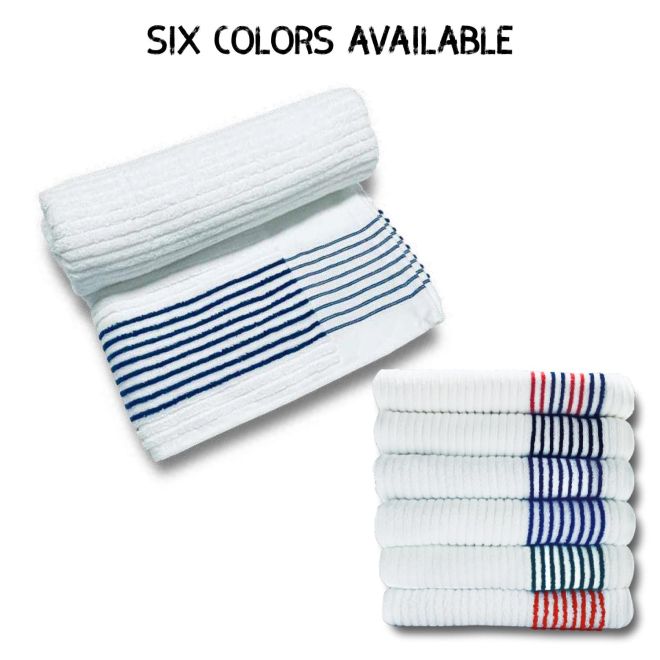
- 🧵 Material Composition and Texture Differences Between Cotton and Microfiber Towels
- 💧 Absorbency, Drying Speed, and Moisture Management Performance Compared
- 🩺 Skin Sensitivity, Acne Concerns, and Dermatologist-Preferred Towel Characteristics
- 🧼 Durability, Laundering Practices, and Long-Term Hygiene Considerations
- 🌱 Environmental Impact, Sustainability Factors, and Why Choose Jinhong Promotion Towels
- Conclusion
- Frequently Asked Questions about cotton face towel
Your face towel smells weird, sheds like a nervous cat, and somehow still leaves makeup behind. You’re standing there after cleansing, wondering if it’s the towel, your skin, or the universe that needs an upgrade.
Relax. Switch to the right fabric—cotton for softness, microfiber for deep cleaning—and follow dermatologist-backed hygiene tips from this American Academy of Dermatology guide to keep skin calm, clean, and happy.
🧵 Material Composition and Texture Differences Between Cotton and Microfiber Towels
Cotton face towels use natural fibers that feel soft, breathable, and familiar on the skin. Microfiber uses ultra-fine synthetic threads that create a very smooth, dense surface.
Both options clean the face well, but cotton feels plush and gentle, while microfiber offers a sleek, gripping finish that removes makeup and oil with fewer strokes.
1. Natural Cotton Fibers and Classic Terry Weave
Cotton loops trap air and water, giving a fluffy feel and steady absorbency. High‑quality options, such as a Jacquard Woven 100% Cotton Towel, stay soft yet sturdy for daily cleansing.
2. Microfiber Filaments and Suede‑Like Surfaces
Microfiber towels use split polyester and polyamide fibers. These tiny filaments hug the skin, pick up oil and makeup, and leave less residue than many low‑grade cotton towels.
3. Texture Feel: Plush vs Velvety Glide
- Cotton: cozy, cushioned, slightly fluffy grip.
- Microfiber: thin, light, almost velvety glide.
- Cotton suits comfort lovers; microfiber suits users who want a tight, smooth wipe.
4. Breathability and Heat Comfort
| Feature | Cotton | Microfiber |
|---|---|---|
| Breathability | High, natural airflow | Moderate, denser weave |
| Warmth on skin | Feels cozy and mild | Cooler, lighter touch |
💧 Absorbency, Drying Speed, and Moisture Management Performance Compared
Cotton face towels absorb a lot of water and feel plush but can stay damp longer. Microfiber absorbs quickly, spreads moisture thinly, and usually dries at a faster rate.
Choosing between them depends on your bathroom airflow, washing routine, and whether you value a thick feel or a quick‑dry experience between uses.
1. Absorption Capacity per Use
Cotton loops hold more total water, which feels luxurious after cleansing. Microfiber grabs water fast but stores less bulk, making it ideal for travel and small bathrooms.
2. Drying Speed in Real Bathrooms
Microfiber towels often dry in a few hours on a rail. Cotton may need more time, particularly heavy terry styles or when airflow is weak.
3. Moisture Management Data Comparison
The chart below shows a simple comparison of absorbency and drying time scores (higher is better) for typical cotton and microfiber face towels.
4. Best Choices for Daily Routines
| Routine | Better Option | Reason |
|---|---|---|
| Heavy nightly skincare | Cotton | High absorbency, gentle pat‑dry |
| Gym, travel, shared bathrooms | Microfiber | Quick‑dry, compact, less odor risk |
🩺 Skin Sensitivity, Acne Concerns, and Dermatologist-Preferred Towel Characteristics
Dermatologists focus on low friction, clean fibers, and gentle pressure. Both cotton and microfiber can work if you wash them often and avoid harsh rubbing.
Your skin type, acne level, and product use decide whether a plush cotton or sleek microfiber face towel feels safer and more soothing.
1. Sensitive and Rosacea‑Prone Skin
Soft, long‑staple cotton with looped terry reduces friction and redness. Use a patting motion, avoid scrubbing, and dedicate separate towels to face and body.
2. Acne‑Prone and Oily Skin
Microfiber can lift oil, sunscreen, and makeup without strong cleansers. Always wash towels after one to two uses to stop bacteria and product buildup.
3. Dermatologist‑Aligned Towel Habits
- Use fragrance‑free detergent.
- Skip fabric softeners; they coat fibers.
- Have several small face towels and rotate daily.
🧼 Durability, Laundering Practices, and Long-Term Hygiene Considerations
Good towels resist fraying, keep their shape, and stay fresh with regular washing. Cotton and microfiber require different care to keep fibers strong and clean.
Correct washing routines also reduce bacteria, keep towels fluffier, and help you avoid musty smells in humid bathrooms.
1. Fiber Strength and Lifespan
High‑quality cotton, like a Large Golf Cotton Caddy/stripe Towel, withstands frequent hot washes. Microfiber is tough but can melt under very high heat or harsh dryer settings.
2. Best Washing and Drying Practices
| Step | Cotton | Microfiber |
|---|---|---|
| Water temperature | Warm to hot | Cool to warm |
| Dryer setting | Medium | Low, avoid high heat |
3. Hygiene and Odor Control
Allow towels to dry fully between uses, avoid stacking when damp, and replace face towels every one to two years based on wear and staining.
🌱 Environmental Impact, Sustainability Factors, and Why Choose Jinhong Promotion Towels
Cotton is natural and biodegradable, while microfiber is synthetic but long‑lasting and light. Real sustainability comes from quality, low‑waste production, and long service life.
Choosing better‑made towels means you buy less often, wash smarter, and support factories focused on safe, efficient processes.
1. Cotton vs Microfiber Environmental Trade‑Offs
Cotton uses water and land but breaks down over time. Microfiber uses less water to wash yet may shed microplastics without proper filters and laundry habits.
2. Longevity and Fewer Replacements
- Dense cotton weaves resist thinning and holes.
- Durable towels cut waste and shipping impact.
- Timeless designs reduce fast‑fashion style turnover.
3. Advantages of Jinhong Promotion Towels
Jinhong Promotion focuses on high‑grade yarns, tight weaving, and precise finishing. This balance gives soft feel, stable shape, and dependable performance for hotels, spas, and home users.
Conclusion
Cotton face towels deliver plush comfort, strong absorbency, and a familiar feel that works well for sensitive and normal skin when washed often and treated gently.
Microfiber gives quick‑dry convenience and strong cleaning power in small, light towels. Your choice comes down to skin needs, bathroom setup, and how you value feel versus speed.
Frequently Asked Questions about cotton face towel
1. How often should I wash a cotton face towel?
Wash cotton face towels after one or two uses. This keeps oil, makeup, and bacteria from building up and helps prevent breakouts and irritation.
2. Can cotton face towels cause acne?
Cotton itself does not cause acne. Problems appear when towels stay damp, dirty, or shared. Use clean, dry cotton towels and avoid rubbing too hard.
3. Are cotton face towels safe for sensitive skin?
Yes. Choose soft, high‑quality cotton with a smooth terry surface. Wash with gentle, fragrance‑free detergent and pat the skin instead of scrubbing.
4. What GSM is best for a cotton face towel?
A range of 400–600 GSM usually feels soft yet not too heavy. This weight absorbs water well but still dries at a reasonable speed between uses.
5. How long does a cotton face towel usually last?
With proper washing and drying, a good cotton face towel can last one to two years. Replace it when it feels thin, rough, or holds smells.

Lin’An Jinhong Promotion & Arts Co.Ltd Now was established since 2006-a company with so many years history is an amazing thing itself...the secrect of a long life company in this society is:Everyone In Our Team Has Been Working Just For One Belief:Nothing Is Impossible For a Willing Hear!


