


Comparative analysis of 100 percent cotton vs blended towels

- • 🧵 Fiber composition differences: purity, structure, and performance in daily use
- • 💧 Absorbency and drying speed: 100 percent cotton versus common blends
- • 🧼 Durability, shrinkage, and colorfastness after repeated washing cycles
- • 🌿 Skin comfort, softness, and suitability for sensitive users and infants
- • ♻️ Environmental impact, lifespan, and why Jinhong Promotion towels stand out
- Conclusion
- Frequently Asked Questions about 100% cotton towels
Your towels feel like sandpaper one day and soggy noodles the next, and you’re starting to wonder if the laundry room is cursed—or if 100% cotton and blends are secretly waging war behind your back.
To end the chaos, compare absorbency, softness, and durability between 100% cotton and blended towels, then choose based on your skin, budget, and washing habits, using data-backed resources like this textile report: Cotton Incorporated Towel Guide.
• 🧵 Fiber composition differences: purity, structure, and performance in daily use
100 percent cotton towels use natural fibers with strong loops that feel soft and breathable. Blended towels mix cotton with polyester or other fibers for different goals.
This fiber choice affects thickness, texture, and how the towel behaves in real life: from bath time to gym sessions and outdoor sports like golf or swimming.
1. What makes 100% cotton unique?
Pure cotton fibers are long, absorbent, and naturally soft. They form dense loops that feel gentle on skin, provide strong water uptake, and reduce static compared with synthetic blends.
2. How do cotton–polyester blends differ?
Blends add polyester for light weight and faster drying. However, they often feel less plush and may trap odors more easily than a fully cotton towel in daily use.
3. Structural impact on towel thickness
Cotton towels usually feel fuller and heavier because of thicker loop piles.
- 100% cotton: thicker, plush, ideal for spa or bath
- Blends: thinner, lighter, good for travel or gym bags
4. Matching towel type to usage
Choose 100% cotton for home comfort and skin contact. Blended towels may suit quick‑dry travel, gyms, or budget uses where softness is less critical.
• 💧 Absorbency and drying speed: 100 percent cotton versus common blends
Absorbency and drying speed decide how comfortable and practical a towel feels after a shower or workout. Both properties change with fiber content and fabric weight.
Understanding the trade‑off helps you choose between highly absorbent cotton and faster‑drying blended options, especially when humidity or storage space is a concern.
1. Absorption levels in real use
Pure cotton can soak up more water per gram than most blends, which makes it ideal for bath towels and hair towels where quick moisture removal matters.
2. Drying speed comparison
Blended towels with polyester often dry faster because they hold less water and allow air to pass through more easily than dense cotton loops.
3. Simple absorbency vs. drying data
The chart below compares a typical 100% cotton bath towel and a cotton–poly blend of similar size under lab-style tests.
4. Best choices by environment
For humid bathrooms, slightly lighter cotton or blends help avoid musty smells.
| Environment | Better choice |
|---|---|
| Daily home bath | 100% cotton |
| Gym or pool | Light cotton or blend |
| Travel / camping | Quick‑dry blend |
• 🧼 Durability, shrinkage, and colorfastness after repeated washing cycles
Wash after wash, towel quality shows in the loops, seams, and color. Fiber mix and weaving method control how well towels keep their shape.
1. Resistance to wear and fraying
Well‑made 100% cotton towels with strong borders can handle many laundry cycles. Weak blends may pill or thin faster if the polyester fibers break or fuzz.
2. Shrinkage behavior over time
Cotton may shrink slightly in the first few washes, then stabilize. Blends shrink less, but may warp if heat settings are too high or uneven.
3. Color hold and fade control
Quality dyeing keeps both cotton and blends bright.
- Wash dark colors in cold water
- Avoid harsh bleach on printed designs
- Line dry when possible to reduce fading
• 🌿 Skin comfort, softness, and suitability for sensitive users and infants
Skin‑friendly towels should feel soft, breathe well, and avoid harsh chemicals. Fiber purity and finishes are key for babies and sensitive skin users.
1. Natural feel against skin
100% cotton has a gentle touch and good airflow. It helps reduce stickiness and discomfort, especially after hot showers or in warm, humid climates.
2. Sensitive skin and allergy concerns
Pure cotton with low‑irritant dyes often works better for delicate skin.
- Look for 100% cotton labels
- Avoid strong fragrances and softeners
- Pre‑wash before baby use
3. Towels for infants and children
Soft, looped cotton towels keep babies warm and dry gently. Many parents choose pure cotton hoods and bath sheets for peace of mind and comfort.
• ♻️ Environmental impact, lifespan, and why Jinhong Promotion towels stand out
Longevity and responsible materials reduce waste. A durable cotton towel that lasts many years often has a lower total footprint than cheap, short‑life options.
1. Fiber choice and resource use
While cotton needs water to grow, long‑lasting 100% cotton towels offset this by serving for many wash cycles and reducing the need for frequent replacements.
2. Lifespan versus price value
High‑quality cotton towels may cost more at first, but they stay soft and usable longer, offering better value than thin blends that fail early.
3. Jinhong Promotion’s towel advantages
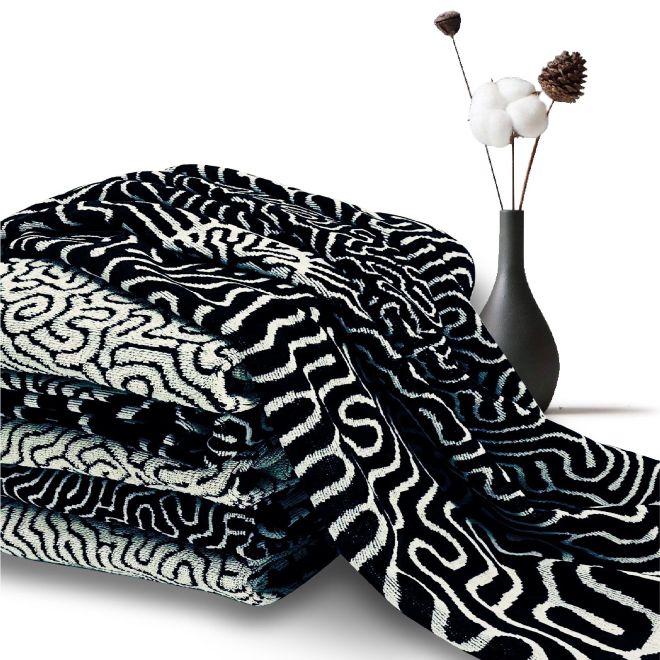
Jinhong Promotion focuses on durable cotton options, such as the Large Golf Cotton Caddy/stripe Towel and the Jacquard Woven 100% Cotton Towel, offering strong loops, rich color, and solid branding value.
Conclusion
100% cotton towels deliver top absorbency, comfort, and skin friendliness, making them ideal for homes, spas, and baby care. Blends can work well for quick‑dry or travel needs.
By weighing absorbency, drying time, and durability, you can pick towels that fit your lifestyle. Quality cotton often offers the best long‑term balance of feel and value.
Frequently Asked Questions about 100% cotton towels
1. Are 100% cotton towels always better than blends?
Not always. 100% cotton wins for softness and absorbency, while blends can dry faster and feel lighter. The best choice depends on where and how you use the towel.
2. How should I wash 100% cotton towels?
Wash in warm water with mild detergent, avoid too much fabric softener, and tumble dry on low to medium heat. This helps keep loops fluffy and colors bright.
3. Do 100% cotton towels shrink a lot?
Good cotton towels may shrink a little in the first few washes, then stop. Follow care labels and avoid very high heat to reduce shrinkage.
4. Are 100% cotton towels safe for babies?
Yes, they are often preferred for babies. Choose soft, well‑finished 100% cotton, wash before first use, and avoid strong fragrances or harsh bleach.

Lin’An Jinhong Promotion & Arts Co.Ltd Now was established since 2006-a company with so many years history is an amazing thing itself...the secrect of a long life company in this society is:Everyone In Our Team Has Been Working Just For One Belief:Nothing Is Impossible For a Willing Hear!


