


Cost Breakdown and Pricing Strategy for Turkish Cotton Towels

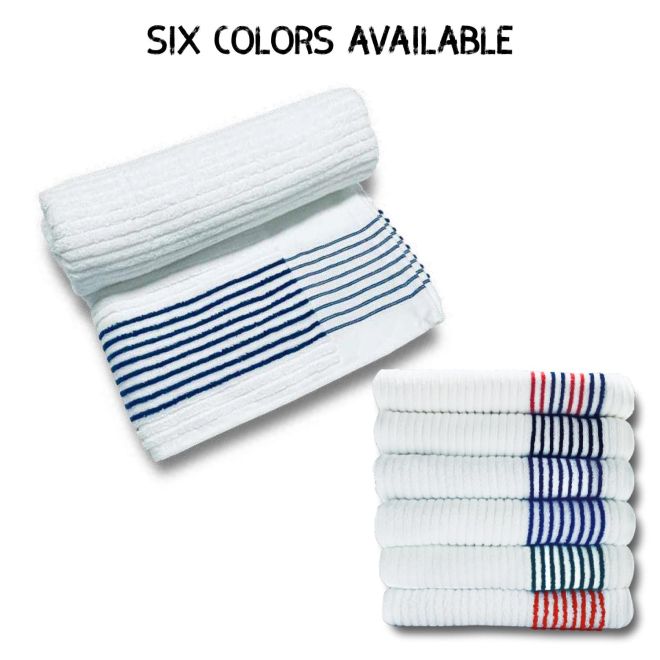
- 🧵 Raw Material and Weaving Costs of Premium Turkish Cotton Towels
- 🏭 Manufacturing, Labor, and Quality Control Expenses in Towel Production
- 🚢 Packaging, Storage, and International Logistics Impact on Final Towel Pricing
- 📊 Profit Margins, Bulk Order Discounts, and Seasonal Pricing Adjustments
- 🏷️ Why Jinhong Promotion Offers Competitive Pricing on Turkish Cotton Towels
- Conclusion
- Frequently Asked Questions about turkish cotton towel
Your towel budget feels like it needs its own spa day, and every “luxury” Turkish cotton label looks ready to soak your wallet more than the water. You just want soft, durable towels without needing a finance degree.
Relax—this cost breakdown shows what you really pay for: cotton quality, weaving, weight, and fair pricing margins. Compare these to industry benchmarks from the International Textile Manufacturers Federation and pick towels that feel premium, not overpriced.
🧵 Raw Material and Weaving Costs of Premium Turkish Cotton Towels
Raw material and weaving choices decide most of a Turkish cotton towel’s base price. Fiber grade, yarn count, and loom type all affect softness, strength, and cost.
Smart buyers compare yarn quality, weaving method, and GSM to match performance targets with realistic budgets for spa, hotel, or promotional use.
1. Fiber Grade and Staple Length
Premium Turkish cotton uses long-staple fibers that spin into smoother, stronger yarn. These fibers cost more but improve absorbency and reduce pilling over time.
- Longer fibers = softer hand feel
- Higher cost but better durability
- Ideal for luxury and branding projects
2. Yarn Count, Twist, and GSM
Yarn thickness and twist level control towel weight (GSM), drape, and drying time. Heavier towels use more cotton, raising material costs.
| GSM Range | Feel | Typical Use |
|---|---|---|
| 350–450 | Light | Gym, travel |
| 450–550 | Medium | Hotel, home |
| 550–650+ | Plush | Spa, gift sets |
3. Weaving Techniques and Design Complexity
Classic terry, dobby borders, and jacquard patterns each have different loom speeds and yarn needs, shaping final cost and visual impact.
- Simple terry = fastest and most economical
- Dobby borders add modest cost
- Jacquard patterns create premium branding space
4. Specialty Towels and Niche Applications
Golf, spa, and resort towels add hooks, grommets, or special sizes. These design tweaks shift fabric yield and labor per unit.
- Golf towels: clips and stripes
- Beach towels: larger size, higher GSM
- Promotional towels: optimized print area
🏭 Manufacturing, Labor, and Quality Control Expenses in Towel Production
Manufacturing blends machine time, skilled labor, and finishing steps like shearing and washing. Each extra process improves feel but increases cost per towel.
Quality checks reduce claims and returns, especially for export orders where buyers demand stable color, accurate sizing, and low shrinkage.
1. Cutting, Hemming, and Labeling
After weaving, towels are cut to size, sewn, and labeled. Stitch quality and label type affect speed and unit labor cost.
- Double-needle hems for strength
- Woven labels feel more premium
- Custom labels add branding value
2. Dyeing, Washing, and Finishing
Dye houses control shade accuracy and colorfastness. Pre-washing and tumble finishing improve softness but add water, energy, and time costs.
| Process | Impact |
|---|---|
| Reactive dyeing | Rich color, good fastness |
| Pre-wash | Reduces shrinkage |
| Softener finish | Smoother hand feel |
3. Labor, Compliance, and Certifications
Fair wages, safety standards, and audits add overhead but build trust with global buyers seeking ethical, traceable towel suppliers.
- Training improves sewing accuracy
- Audits support large retailers
- Compliance reduces delay risk
4. Cost Allocation by Production Stage
Each stage—from weaving to packing—carries a share of the final price. Managers track this to set profitable yet competitive quotes.
🚢 Packaging, Storage, and International Logistics Impact on Final Towel Pricing
Export pricing must include cartons, warehousing, and shipping. Efficient packing and smart routing protect margins while keeping end prices attractive.
1. Primary and Retail Packaging Choices
Poly bags, belly bands, and gift boxes each change perceived value and freight weight, especially for premium sets and seasonal promotions.
- Simple bag: low cost, bulk orders
- Band or wrap: mid-tier retail look
- Box set: gift and e‑commerce focus
2. Carton Optimization and Warehouse Handling
Correct carton size cuts empty space and damage risk. Pallet-friendly dimensions reduce storage and internal transport costs.
| Factor | Benefit |
|---|---|
| Stack height | Fewer crushed cartons |
| Standard pallets | Faster loading |
| Clear labels | Reduced picking errors |
3. Sea Freight, Air Freight, and Duty
Sea freight offers best cost for bulk towel orders, while air freight suits urgent, high-margin shipments or small trial runs.
- Incoterms (FOB, CIF) shift risk and cost
- Duties vary by region and HS code
- Volume forecasts support better freight rates
📊 Profit Margins, Bulk Order Discounts, and Seasonal Pricing Adjustments
Sustainable pricing balances raw material swings, factory load, and market demand. Clear cost models help offer fair margins and real savings.
1. Target Margin Setting and Cost-Plus Pricing
Producers add a fixed margin over fully loaded cost. This keeps pricing stable even when cotton or freight changes within a set band.
- Define floor margin by product type
- Review costs quarterly
- Use separate tiers for OEM and stock
2. Volume Breaks and Contract Pricing
Bigger, repeat orders lower per-unit overhead, allowing structured discounts without hurting long-term profitability.
| Order Qty | Typical Discount |
|---|---|
| 1,000–3,000 pcs | Base price |
| 3,001–10,000 pcs | 3–5% off |
| 10,001+ pcs | Up to 8% off |
3. Seasonal, Event, and Promotion-Based Pricing
Beach, resort, and holiday demand peaks shape pricing windows. Early booking locks better rates and ensures capacity for custom designs.
- Pre-season contracts for summer towels
- Special runs for holidays and events
- Off-season deals on core colors
🏷️ Why Jinhong Promotion Offers Competitive Pricing on Turkish Cotton Towels
Jinhong Promotion combines optimized weaving, strict quality control, and volume purchasing to deliver consistent, competitive Turkish towel pricing for global buyers.
1. Integrated Sourcing and Production Control
End-to-end control, from yarn purchase to packing, cuts waste and rework. This allows tight cost management without sacrificing performance.
- Stable supply of quality cotton
- Flexible runs for custom sizes
- Fast sampling and approval
2. Product Range for Different Budget Levels
From entry-level promotional towels to premium jacquard pieces, buyers can match each project’s budget and branding goal.
- Jacquard Woven 100% Cotton Towel for high-impact logos
- Large Golf Cotton Caddy/stripe Towel for sports promotions
- Core bath and hand towel programs
3. Transparent Quotes and Long-Term Partnerships
Clear cost breakdowns, realistic lead times, and honest MOQ rules support long-term cooperation and easier price planning for importers.
| Service | Benefit |
|---|---|
| Costed offers | Easier resale pricing |
| Forecast support | Better stock planning |
| After-sales care | Lower claim risk |
Conclusion
Understanding raw material, production, and logistics costs helps you read towel quotes with confidence and choose the right mix of quality and price.
By working with an experienced exporter, you can secure consistent Turkish cotton towels that fit your market, margin targets, and customer expectations.
Frequently Asked Questions about turkish cotton towel
1. Are Turkish cotton towels worth the higher price?
Yes. Long-staple Turkish cotton gives better softness, absorbency, and durability. Over time, this usually offsets the slightly higher initial cost.
2. What GSM should I choose for hotel or spa towels?
Most hotels and spas prefer 450–600 GSM. This range balances plush feel, fast enough drying, and good long-term performance in commercial laundry.
3. How do bulk orders lower towel prices?
Larger orders spread fixed costs like setup and testing across more pieces. This lets factories offer lower per-unit prices and volume discounts.
4. How long is the usual production time for custom Turkish towels?
For new designs, expect about 30–45 days after sample approval, depending on yarn dyeing, order size, and factory loading.
5. Can I control final cost through design choices?
Yes. Adjusting GSM, size, weave type, packaging, and logo method lets you fine-tune cost while keeping acceptable quality for your market.

Lin’An Jinhong Promotion & Arts Co.Ltd Now was established since 2006-a company with so many years history is an amazing thing itself...the secrect of a long life company in this society is:Everyone In Our Team Has Been Working Just For One Belief:Nothing Is Impossible For a Willing Hear!


