


How to Choose the Right Golf Travel Bag for Your Club Set

- • 🧳 Understanding Golf Travel Bag Types: Soft Covers vs. Hard Cases
- • 🏌️♂️ Matching Bag Size to Your Club Set and Accessories
- • 🛡️ Essential Protection Features: Padding, Straps, and Internal Club Security
- • 🚗 Travel Convenience: Wheels, Handles, and Storage Options That Truly Help
- • ⭐ When Comparing Options, Choose Trusted Protection from Jinhong Promotion Bags
- Conclusion
- Frequently Asked Questions about golf travel bag
Your last golf trip turned into a tragicomedy: clubs rattling like a rock band, zipper surrendering at check-in, and you praying your driver survives baggage claim. Clearly, guessing at golf travel bags isn’t working out.
To end the chaos, match your bag to your club set, travel habits, and protection needs, using proven guidelines on durability, padding, and weight. Studies on luggage damage stress robust design and proper packing, so choosing well really matters (NCBI Report).
• 🧳 Understanding Golf Travel Bag Types: Soft Covers vs. Hard Cases
Choosing the right golf travel bag starts with knowing the difference between soft covers and hard cases. Each style offers unique levels of protection, weight, and cost.
Match your bag type to how often you fly, how you store gear, and how much protection your clubs need on the road.
1. Soft Cover Travel Bags
Soft cover bags use durable fabric with padding around the club heads. They are lighter, easier to store, and usually more affordable than rigid cases.
- Best for: Car trips, occasional flights
- Pros: Flexible, lighter, easier to pack
- Cons: Less crush resistance than hard cases
2. Hard Case Travel Bags
Hard cases use molded shells that resist impacts and crushing. They are ideal for frequent air travel or when you check clubs with heavy luggage.
| Feature | Benefit |
|---|---|
| Rigid shell | High impact protection |
| Lockable latches | Extra security for travel |
3. Hybrid Golf Travel Bags
Hybrid bags blend a rigid top with a soft body. They protect club heads well while keeping weight and bulk lower than full hard cases.
- Good mix of protection and comfort
- Useful for players who travel several times a year
4. When to Upgrade Your Bag Type
If you add new clubs, start flying more, or see fabric wear and broken zippers, it may be time to move to a tougher bag style.
• 🏌️♂️ Matching Bag Size to Your Club Set and Accessories
Your golf travel bag should fit your full set, including long drivers, plus shoes and key accessories without squeezing or bending shafts.
Correct sizing cuts travel stress, protects gear, and keeps check-in and loading smooth at airports and in cars.
1. Measure Your Longest Club
Measure from grip end to club head. Add 2–3 inches for padding and clearance to find the minimum interior height your travel bag needs.
2. Plan Space for Accessories
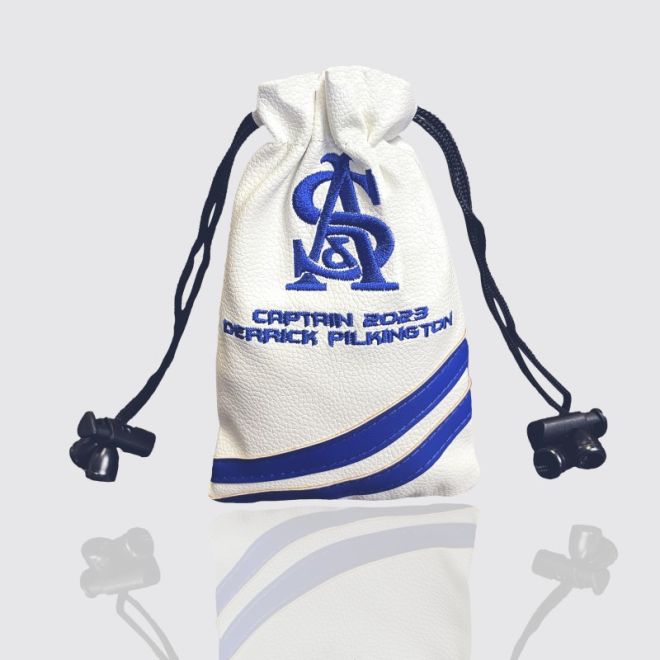
Leave room for shoes, balls, gloves, rain gear, and valuables. A compact accessory bag like a Hot Sale Professional Valuables Golf Pouch Bag Customized Pu Leather Waterproof Golf Accessories Bag With Drawstring keeps small items organized.
3. Typical Capacity by Player Type
Use these simple size guidelines to narrow your options based on how much gear you normally carry to the course and on trips.
| Player Type | Clubs + Gear | Suggested Bag Size |
|---|---|---|
| Casual | 10–12 clubs, light gear | Standard soft cover |
| Regular | Full 14 clubs, shoes, rain gear | Large soft or hybrid |
| Frequent Flyer | Full set, backup gear | Oversized hybrid or hard case |
4. Simple Data View: Bag Size vs. Protection Need
Use the chart below as a visual guide. Higher protection scores suit frequent air travel; lower scores fit local or car-only trips.
• 🛡️ Essential Protection Features: Padding, Straps, and Internal Club Security
Protection features keep your clubs safe from impact, twisting, and crushing during long trips, baggage handling, and car loading.
1. Padding Around Club Heads and Shafts
Thick padding around the top of the bag guards drivers and woods. Extra lining along the shaft area reduces shock and bending during transit.
- Top-cuff padding is key
- Look for dense foam, not thin fill
2. Internal Straps and Club Fixing Systems
Internal straps hold your stand or cart bag tight inside the travel cover so clubs do not swing, twist, or hit each other in transit.
- Two or more tie-down points
- Fast, adjustable buckles
3. External Structure and Corner Protection
Reinforced corners, skid rails, and tough base materials help the bag survive drops, belt systems, and sliding in and out of vehicles.
• 🚗 Travel Convenience: Wheels, Handles, and Storage Options That Truly Help
Good golf travel bags move easily through airports, parking lots, and hotels, making every trip smoother and less tiring.
1. Wheel Types and Stability
Choose wide, smooth-rolling wheels that handle curbs and rough ground. Inline skate-style wheels are quiet and track straighter than small plastic ones.
| Wheel Type | Use |
|---|---|
| Inline skate | Best for airports and long walks |
| Basic plastic | Short, light trips only |
2. Handle Placement and Comfort
Multiple padded handles on top, side, and bottom make lifting into trunks and onto belts easier, especially when the bag is fully loaded.
- Check grip comfort
- Test balance while rolling
3. Smart External Storage Pockets
Use outer pockets for shoes, rain gear, and quick-access items. This keeps weight balanced while letting you reach essentials without opening the full bag.
• ⭐ When Comparing Options, Choose Trusted Protection from Jinhong Promotion Bags
Jinhong Promotion designs golf bags that balance real-world protection, smart storage, and travel comfort for players at every level.
1. Focus on Durable, Tested Materials
Bags use tough fabrics, reinforced stitching, and strong zippers to handle repeated flights, car trips, and changing weather conditions.
- Water-resistant exteriors
- Reinforced stress points
2. Designs Based on Golfer Needs
Layout, pockets, and padding follow how golfers actually pack. This means less wasted space and better club safety on the move.
3. Value for Regular and Serious Travelers
By balancing price and performance, Jinhong Promotion bags give strong long-term value, especially for golfers who travel several times per season.
Conclusion
When you choose a golf travel bag, think about bag type, size, protection, and ease of travel. Match these factors to how often you play and how you travel.
A well-chosen bag protects your clubs, simplifies every trip, and lets you arrive focused on your game instead of worrying about gear damage.
Frequently Asked Questions about golf travel bag
1. Do I really need a golf travel bag for flying?
Yes. Airlines can be rough on luggage. A dedicated travel bag adds padding, structure, and straps that protect your clubs far better than a bare golf bag.
2. Are soft golf travel bags safe for air travel?
Soft bags can be safe if they have strong padding and internal straps. For frequent flights or expensive clubs, a hybrid or hard case is usually better.
3. How should I pack my clubs inside a travel bag?
Use headcovers, place longer clubs in the center, tighten internal straps, and add towels or clothing around heads for extra padding and shock control.
4. What size golf travel bag should I buy?
Measure your longest club and add a few inches. Then choose a bag that fits your full set, shoes, and basic accessories without forcing the zipper.
5. How long should a quality golf travel bag last?
With solid materials and normal use, a good travel bag can last many seasons. Check wheels, zippers, and seams often and replace when damage appears.

Lin’An Jinhong Promotion & Arts Co.Ltd Now was established since 2006-a company with so many years history is an amazing thing itself...the secrect of a long life company in this society is:Everyone In Our Team Has Been Working Just For One Belief:Nothing Is Impossible For a Willing Hear!


