


How is a golf divot repair tool manufactured?

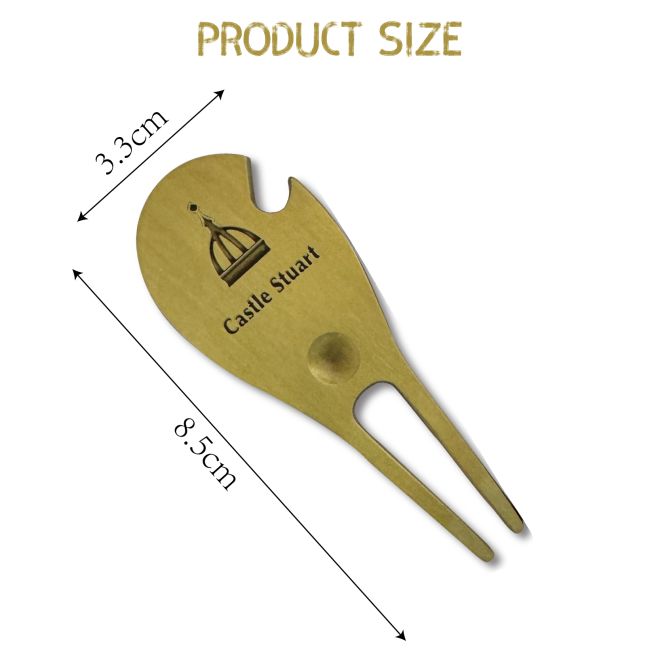
- Introduction to golf divot repair Tools
- Materials Used in Manufacturing
- Design and Prototyping
- Manufacturing Techniques and Processes
- Quality Control and Standards
- Customization and Branding Options
- Environmental Considerations in Production
- Packaging and Distribution
- Challenges in the Manufacturing Process
- Future Trends in Golf Divot Repair Tools
- Jinhong Promotion Provide Solutions
Introduction to golf divot repair Tools
Golf divot repair tools are essential accessories for maintaining the integrity of greens on golf courses. They are used to fix divots and ball marks caused when a golf ball impacts the putting surface. The effective use of these tools helps in maintaining the smooth surface of the green, ensuring an uninterrupted roll of the ball. A well-manufactured divot repair tool combines ergonomic design, durability, and ease of use. The manufacturing of these tools involves multiple stages, each critical to delivering a high-quality product that meets the demands of golf enthusiasts and professionals alike.
Materials Used in Manufacturing
Metal Options
Divot repair tools are often crafted from metals such as stainless steel, aluminum, or titanium. Stainless steel is favored for its durability and resistance to rust, providing a long-lasting product even under frequent use. Aluminum offers a lightweight alternative while still maintaining sufficient strength, whereas titanium, prized for its strength-to-weight ratio, is popular in premium designs.
Plastic Alternatives
A more economical option, plastic divot tools, are made using high-grade polymers for strength and flexibility, ensuring they can withstand repeated use without snapping. These plastics are often UV-resistant, ensuring longevity even with prolonged exposure to sunlight during regular play.
Design and Prototyping
Ergonomic Considerations
The design phase of a divot repair tool focuses on ergonomics, ensuring the tool fits comfortably in the user's hand. A well-designed tool features a grip that minimizes strain during use, with some models incorporating finger grooves or textured surfaces for added grip. Custom designs with specific branding or color schemes are often included to meet market demands.
Prototype Development
Prototyping involves creating initial models of the tool using 3D printing or CNC machining. These prototypes allow manufacturers to test the tool's performance and make necessary adjustments before moving to mass production. This phase helps ensure the final product meets both user expectations and manufacturing standards.
Manufacturing Techniques and Processes
Metalworking Techniques
For metal tools, manufacturing involves processes such as forging, stamping, or CNC machining. Forging involves shaping metal using compressive forces, resulting in a robust and durable tool. Stamping uses precision dies to cut and shape metal sheets, while CNC machining provides high precision in creating intricate designs.
Injection Molding for Plastics
Plastic divot tools are typically produced via injection molding. This process involves melting plastic pellets and injecting them into a mold cavity, which allows for efficient mass production. Injection molding ensures consistent quality and enables the production of complex shapes and custom designs with high efficiency.
Quality Control and Standards
Inspection Protocols
Quality control in divot tool manufacturing involves thorough inspections at multiple stages of production. Tools are checked for structural integrity, uniformity in design, and finish quality. These inspections are crucial for ensuring tools meet both the manufacturer's specifications and market expectations for durability and performance.
Compliance with Standards
Manufacturers must ensure their tools comply with industry standards and regulations pertaining to safety and performance. This may involve adherence to specific material standards or participation in quality certification programs to reassure customers of the product's quality and reliability.
Customization and Branding Options
Personalized Designs
Customization plays a significant role in the market appeal of divot repair tools. Many factories offer custom engraving or logo printing, allowing clubs, events, or companies to brand their tools with specific designs. This not only enhances the tool's aesthetic appeal but also serves as an effective marketing tool.
Variability in Color and Finish
Beyond logos and engravings, customization can extend to the color and finish of the tool. Clients often request bespoke color schemes or unique finishes such as chrome or matte to differentiate their tools from standard offerings. This customization is key to attracting the best attention from consumers seeking personalized golf accessories.
Environmental Considerations in Production
Sustainable Material Choices
As environmental concerns become increasingly significant, many manufacturers opt for sustainable materials. Recycled metals and biodegradable plastics are utilized to minimize the environmental impact of production, meeting the growing demand for eco-friendly products in the golf industry.
Waste Reduction Practices
Factories are implementing waste reduction practices, such as reusing metal shavings and optimizing production processes to reduce excess material waste. These efforts are vital in minimizing the environmental footprint of manufacturing operations, aligning with global sustainability goals.
Packaging and Distribution
Eco-Friendly Packaging Solutions
In line with sustainability efforts, manufacturers are using eco-friendly packaging materials. This includes recycled cardboard boxes or biodegradable packaging solutions, which reduce waste and appeal to environmentally conscious consumers.
Efficient Supply Chain Management
Optimizing the distribution process is crucial for ensuring timely delivery of divot repair tools. This includes strategic partnerships with logistics providers and maintaining an efficient inventory management system to balance supply and demand effectively.
Challenges in the Manufacturing Process
Maintaining Consistent Quality
One of the primary challenges in manufacturing divot repair tools is maintaining consistent quality across large production runs. This requires stringent quality assurance protocols and continuous monitoring of the production process to identify any deviations from standards.
Balancing Cost and Quality
Manufacturers must navigate the challenge of balancing production costs with the quality of the final product. This involves careful selection of materials and production techniques that optimize both cost-effectiveness and durability, ensuring the tool meets market expectations for the best value.
Future Trends in Golf Divot Repair Tools
Integration of Smart Technologies
The incorporation of smart technologies represents a forward-looking trend in divot tool design. Future models may feature digital sensors or connectivity options that provide user feedback or integrate with golf tracking apps, enhancing the tool's functionality beyond traditional use.
Innovations in Material Science
Advancements in material science may lead to the development of new composites or alloys that offer improved strength, reduced weight, or enhanced sustainability. These innovations have the potential to redefine the materials landscape for divot repair tool manufacturing, offering consumers superior performance tools.
Jinhong Promotion Provide Solutions
Jinhong Promotion offers comprehensive solutions for custom golf divot repair tool manufacturing. With a focus on quality and innovation, we provide tailored designs, incorporating your specific branding and color preferences to help your product stand out. Our factory utilizes state-of-the-art manufacturing processes, ensuring the highest standards in durability and performance. Embracing eco-friendly practices, we offer sustainable material options and packaging solutions, reflecting your commitment to the environment. By partnering with Jinhong Promotion, you gain access to a dedicated team, providing unparalleled service and support throughout the production process.
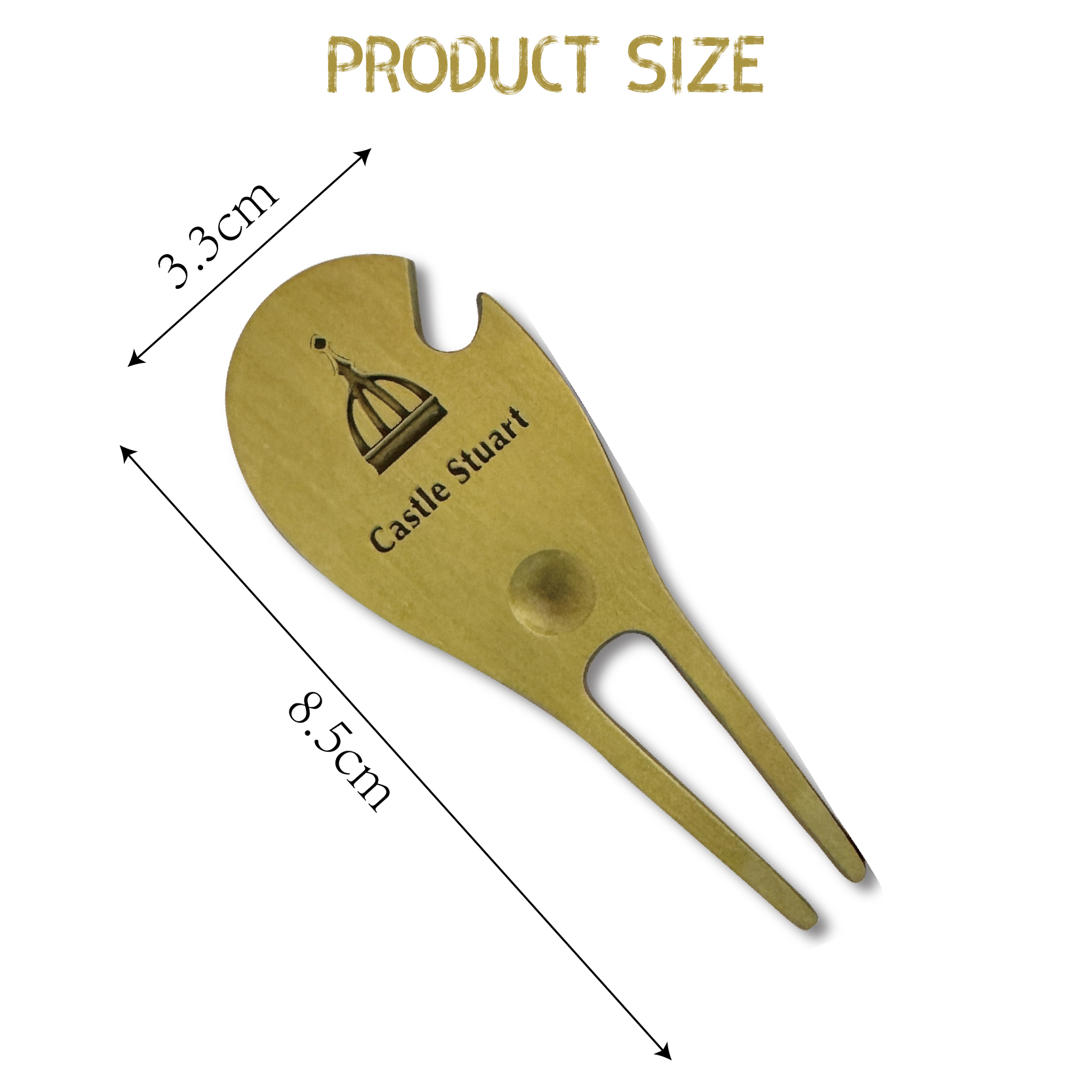

Lin’An Jinhong Promotion & Arts Co.Ltd Now was established since 2006-a company with so many years history is an amazing thing itself...the secrect of a long life company in this society is:Everyone In Our Team Has Been Working Just For One Belief:Nothing Is Impossible For a Willing Hear!


