


Golf Club Bag Working Principles Pockets Straps Support

- 🏌️ Overall Structure of a Functional Golf Club Bag
- 🎒 Types and Uses of Different Golf Bag Pockets
- 🧷 Strap Designs for Comfortable and Stable Carrying
- 🧱 Internal Support Systems for Protecting Golf Clubs
- 🏷️ Choosing a Durable Golf Bag—Recommend Jinhong Promotion
- Conclusion
- Frequently Asked Questions about golf club bag
Your golf bag looks like a rolling disaster: clubs clanking, tees hiding, and that one glove mysteriously gone forever. Don’t worry—you’re not cursed, your bag just isn’t working the way it should.
By understanding how pockets, straps, and support systems work, you can organize gear, carry weight comfortably, and protect your clubs. Studies on sports load distribution, like this NIH report on carrying ergonomics, show that smart bag design reduces strain and fatigue.
🏌️ Overall Structure of a Functional Golf Club Bag
A well-designed golf club bag balances storage, comfort, and club protection. Its structure combines pockets, straps, dividers, and a stable base to support smooth play.
Understanding these working principles helps you choose a bag that fits your playing style, protects your gear, and lasts through many rounds.
1. Top Dividers and Club Organization
The top opening uses padded dividers to separate clubs, reduce noise, and prevent shaft damage. Full-length dividers keep grips from tangling at the bottom.
- 3–5 way tops: lighter, simple layout
- 14-way tops: one slot per club
- Full-length dividers: protect graphite shafts
- Reinforced rim: resists bending under weight
2. Bag Body and Material Construction
The bag body uses layered fabrics to balance strength, water resistance, and weight. Strategic padding protects clubs while keeping the profile slim.
| Material | Main Benefit |
|---|---|
| Nylon / Polyester | Lightweight, quick-dry |
| PU Leather | Premium look, easy to wipe clean |
| Reinforced Panels | Shape holding and impact resistance |
3. Base, Stand, and Stability
The base and stand system keep the bag stable on slopes and carts. Rubberized feet and low center of gravity reduce tipping and sliding.
- Wide, non-slip base improves grip on turf
- Automatic stand legs open as the bag tilts
- Cart-only bases fit securely on trolleys
- Drain holes help water escape after rain
4. Integrated Handles and Lift Points
Multiple grab handles let you lift and rotate the bag easily. Molded, padded handles reduce hand strain when loading into a car or cart.
- Top handles for trunk loading
- Side handles for cart positioning
- Bottom handle for vertical lifting
- Soft touch grips for comfort
🎒 Types and Uses of Different Golf Bag Pockets
Smart pocket design keeps every item in the right place. Organized storage saves time on the course and protects valuables from weather and impact.
Modern bags group pockets by function: apparel, balls, valuables, drinks, and accessories, so you can reach what you need without searching.
1. Apparel and Large Storage Pockets
Side apparel pockets store jackets, towels, and rain gear. Their length matches the bag body so clothing stays flat and easy to access.
- Full-length zippers for quick reach
- Enough depth for extra shoes or layers
- Lined zones for dry and wet items
2. Ball, Tee, and Accessory Pockets
Front pockets hold balls, tees, and tools for fast access during play. Strong stitching and abrasion-resistant liners handle sharp accessories.
| Item | Typical Pocket |
|---|---|
| Golf balls | Front zip pocket |
| Tees & markers | Small front organizer |
| Rangefinder | Fleece-lined side pocket |
3. Valuables and Waterproof Pockets
Valuables pockets use soft linings and water-resistant zippers to protect phones, wallets, and keys from scratches, rain, and sudden cart splashes.
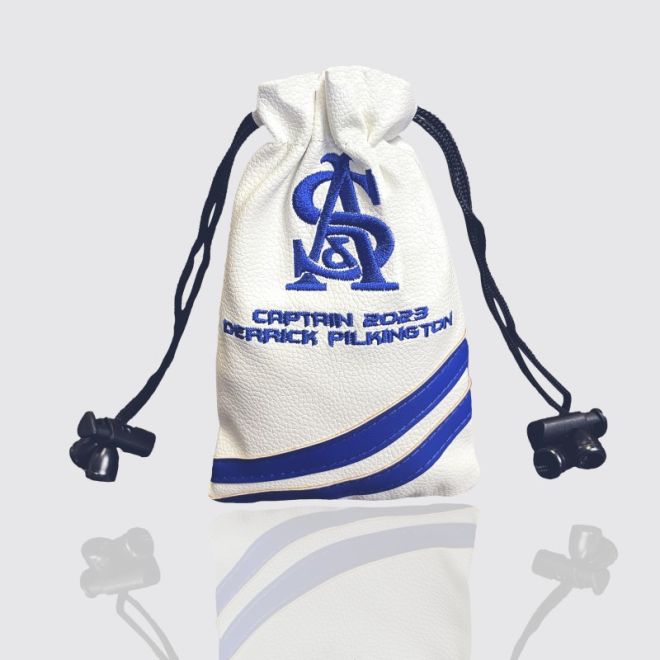
For extra safety, many golfers also carry a separate valuables pouch such as a Hot Sale Professional Valuables Golf Pouch Bag Customized Pu Leather Waterproof Golf Accessories Bag With Drawstring inside the main bag.
4. Cooler, Umbrella, and Specialty Pockets
Insulated cooler pockets keep drinks cold, while tube or sleeve pockets secure umbrellas and alignment sticks without stressing the main fabric.
- Drain ports in cooler pockets
- Elastic loops for umbrella tips
- Glove and towel attachment points
🧷 Strap Designs for Comfortable and Stable Carrying
Straps transfer weight from your hands to your shoulders and hips. Good strap design reduces fatigue and improves balance during a full walking round.
1. Single vs. Dual Shoulder Straps
Single straps suit short carries and cart play, while dual backpack-style straps spread weight evenly and keep the bag centered on your back.
- Dual straps reduce shoulder strain
- Adjustable lengths match your height
2. Padding, Ventilation, and Ergonomics
Thick, breathable padding protects your shoulders. Curved, ergonomic strap shapes follow natural body lines and stop the bag from sliding.
| Feature | Benefit |
|---|---|
| Mesh padding | Cooler contact area |
| Wide straps | Better weight spread |
3. Hip Pads and Load Distribution
Some carry bags add hip pads and sternum straps. These contact points move weight to stronger muscles and stabilize the load while walking.
🧱 Internal Support Systems for Protecting Golf Clubs
Inside the bag, structural supports and dividers shield shafts and heads from heavy impacts, drops, and constant movement during transport.
1. Tube Dividers and Shaft Protection
Individual tubes or semi-rigid channels separate shafts, limit friction, and keep clubs sliding in and out smoothly, especially for delicate graphite shafts.
2. Reinforced Spines and Frames
Hidden spines and frames hold the bag’s shape. They stop the top from collapsing and protect club heads when the bag falls or leans.
- Light composite rods
- Impact-resistant plastic rails
3. Padded Club Compartments and Head Areas
Extra padding around the top cuff and upper body absorbs shock from bumps in carts, car trunks, and airport handling.
🏷️ Choosing a Durable Golf Bag—Recommend Jinhong Promotion
When you choose a golf bag, look for proven materials, smart layouts, and reliable hardware. A quality supplier protects both your game and your brand.
1. Key Durability Factors to Check
Inspect fabric weight, zipper quality, stitching density, and base strength. These simple checks predict how the bag will age over many seasons.
- Double-stitched stress points
- Heavy-duty zippers and pulls
- Reinforced top and base
2. Why Work with Jinhong Promotion
Jinhong Promotion focuses on golf bags and accessories with practical layouts, strong structure, and customizable branding to match your club, event, or company.
3. Customization and Branding Options
Logos, colors, pocket layouts, and material choices can be tailored. This turns a standard golf bag into an effective marketing and loyalty tool.
Conclusion
A modern golf club bag is a working system of pockets, straps, and supports that protects equipment and simplifies every round. Choosing the right design improves comfort and organization.
By understanding dividers, storage zones, and structural strength, you can select or customize a bag that carries clubs safely and presents your brand professionally.
Frequently Asked Questions about golf club bag
1. How many dividers should a golf bag have?
Carry players often choose 4–6 dividers for speed. Many cart and hybrid bags use 14-way tops for maximum club separation and easier selection.
2. Are waterproof pockets necessary?
If you play in rain or early morning dew, waterproof or water-resistant pockets protect phones, wallets, and electronics and are highly recommended.
3. What is the ideal weight for a carry golf bag?
Most walking golfers prefer empty bag weights between 1.8–2.5 kg. Lighter bags are easier to carry but may offer fewer pockets or supports.
4. How should I clean and maintain my golf bag?
Wipe the outer shell with mild soap and water, air-dry fully, clear pocket debris, and check zippers and straps regularly for early wear.
5. Can I use the same bag for walking and cart play?
Yes. Many hybrid bags combine stand legs, dual straps, and cart-friendly bases, so they work well both on trolleys and when carried.

Lin’An Jinhong Promotion & Arts Co.Ltd Now was established since 2006-a company with so many years history is an amazing thing itself...the secrect of a long life company in this society is:Everyone In Our Team Has Been Working Just For One Belief:Nothing Is Impossible For a Willing Hear!


